By Becky Hardin
Updated Jan 23, 2025
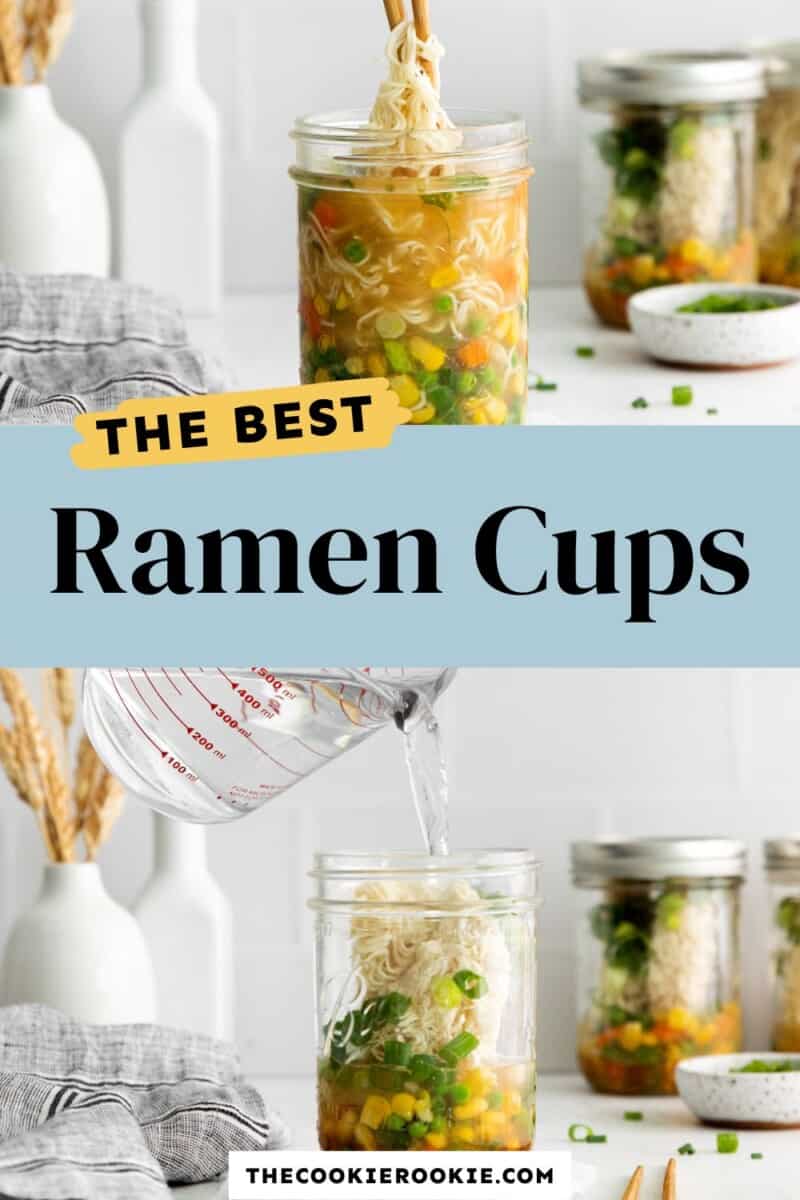
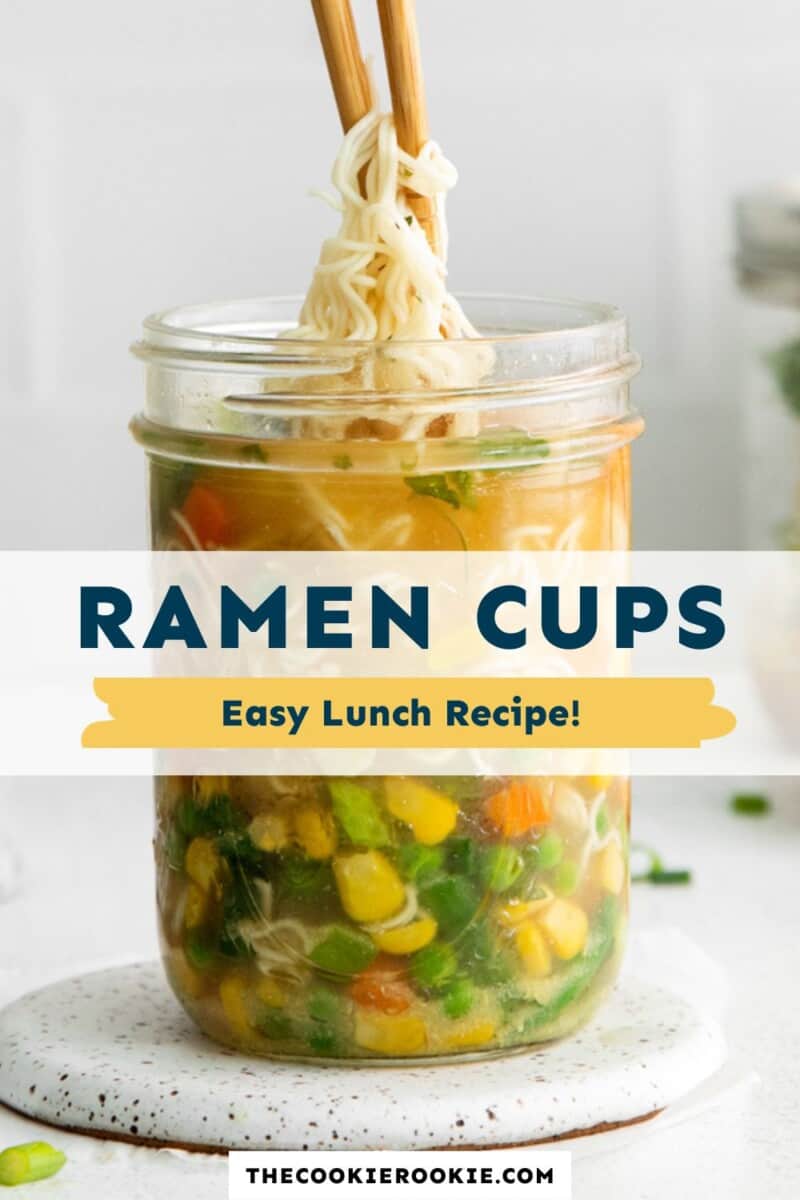
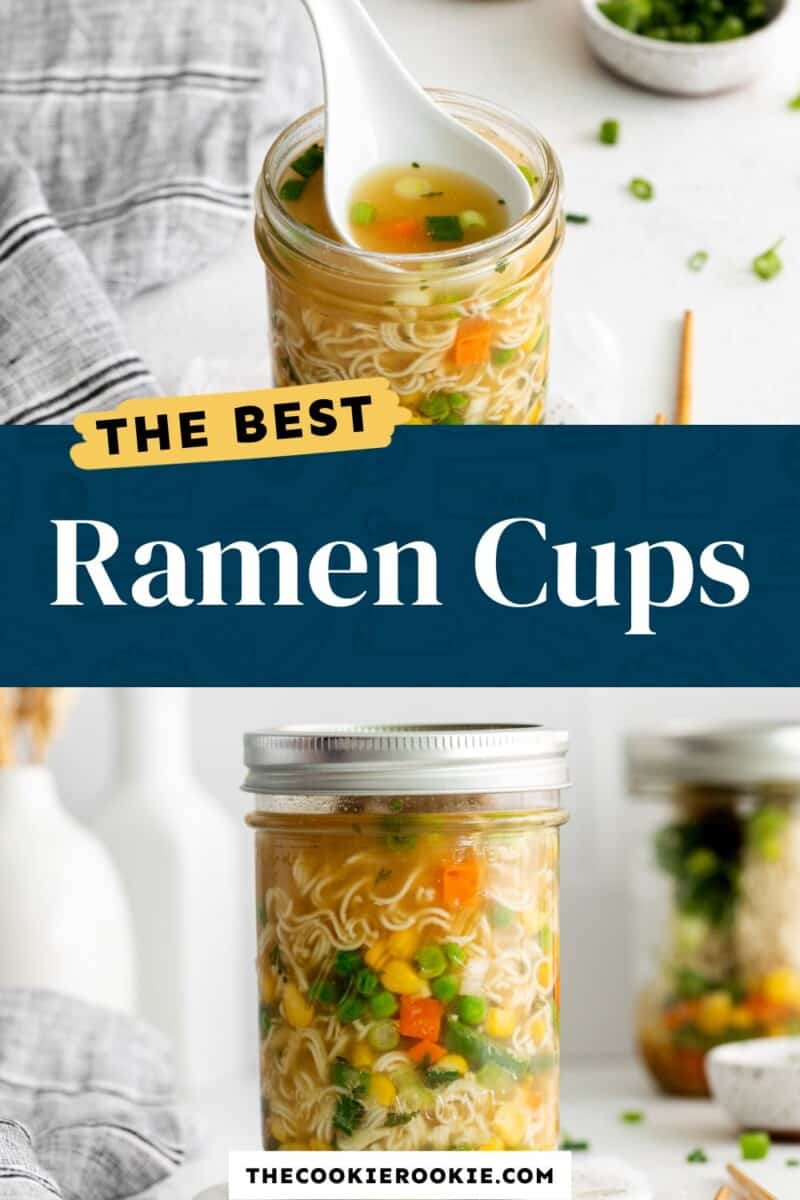
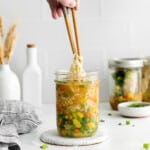
Let me take you back to your 20’s with my Ramen Cups, curly ramen noodles with veggies and drool worthy broth! I use Better than Bouillon and soy sauce to make the perfect broth! These homemade ramen jars might just be the most delicious way to dress up a package of ramen noodles! And don’t forget to toss out the little seasoning packet that comes with the noodles.
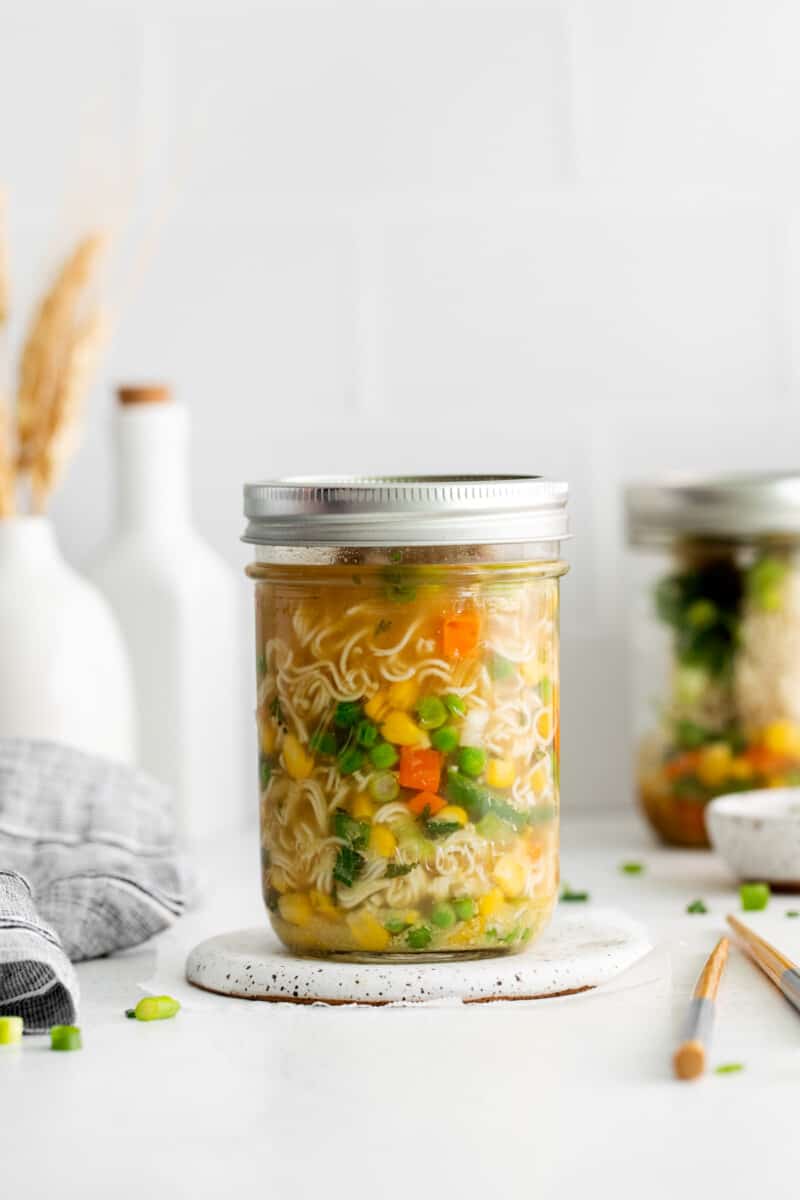
If you grew up loving do-it-yourself ramen noodles in cups like me and have fond memories from your early 20s of it, you’ll love how similar (but so much better) this recipe is.
Homemade Ramen Cups are budget-friendly, kid-friendly , and college-student friendly! They feature all of the flavors of instant ramen you love, but even better. This easy elevated recipe is a dinnertime must-have!
Homemade Ramen Jars
One of the best things about a styrofoam cup of instant noodles is how convenient it is. You just have to pour the hot water in, wait a few minutes, and dig in! This recipe is essentially the same thing, except we’re trading freeze-dried veggies for frozen ones and the packet of powder broth for an even better flavor.
Commercially prepared ramen cups are notorious for being extremely high in sodium and low in nutritional value. Homemade ramen cups from scratch allows you to control the sodium content, added vegetables (extra fiber), and proteins to increase the overall nutrition.
Ingredients
- Vegetables: I like to use frozen vegetables because they defrost in the heat of the water, but they are less likely to go mushy than fresh vegetables. You can really use any vegetables you like, though!
- Better Than Bouillon: This is the secret to getting lots of flavor into a small noodle cup! I’m using the chicken flavor, but you could use vegetarian, mushroom, or beef if you prefer.
- Soy Sauce: It gives a salty umami flavor to the noodles. Miso is another alternative.
- Parsley: Don’t miss out a little sprinkle of parsley. This fresh herb adds aroma and flavor. I am using dry parsley in my recipe.
- Ginger: Adds an earthy spiciness to the ramen.
- Garlic Powder: I love adding a little more garlic powder (even though it is in the bouillon) just to make the ramen super flavorful.
- Noodles: I’m using ramen noodles, but you could switch up the noodles for udon, rice noodles, vermicelli, etc. Oceans Halo ramen noodles are my favorite!
- Green Onion: Adds a bit of fresh onion flavor to the ramen and is one of my favorite garnishes!
Variations and Substitutions
There are so many unique variations on this basic noodle cup recipe.
- Switch up the bouillon for vegetable, onion, or beef bouillon; white, yellow, or red miso paste; or red curry paste.
- Add a protein, such as cubed tofu or tempeh; shredded cooked chicken, pork, or beef; crumbled bacon; or soft-boiled eggs.
- Try thin rice vermicelli noodles instead of ramen (most other types of noodles will need to be precooked).
- Add the veggies of your choice, such as carrots, mushrooms, zucchini, peas, Napa cabbage, corn, edamame, or green beans.
- Add some garnishes, such as sriracha, sesame seeds, a drizzle of rice vinegar, hoisin sauce, or fish sauce, or fresh herbs, such as cilantro or mint leaves.
Can I add meat to my homemade ramen Cups?
Do not add any raw meat to your noodle cups. The water will not get hot enough to cook it. Always use precooked meat, or shredded chicken (like rotisserie chicken) and add it near the end. Let everything cook in a broth.
Tips For Success
- These homemade ramen cups are not gluten-free. To make them gluten-free, you will need to use a gluten-free bouillon, tamari or coconut aminos in place of the soy sauce, and gluten-free noodles in place of the ramen (such as rice noodles).
- If you want to make ramen noodles spicy, add a few shakes of chili flakes, or after cooking the ramen, add some chili oil or sriracha.
- I always look forward to adding protein wherever I can for a perfect balance of health and taste. I recommend cooking and storing your protein separately from the noodle cups, then adding it after the soup has been prepared. Some great additions would be shredded chicken, diced bacon, a soft-boiled egg, or diced tofu!
How to Store
Whether you store it in the freezer or enjoy it right away, you’ll love digging into your homemade Ramen Cup!
Fully assembled ramen cups can be stored with the lids tightly on in the refrigerator for up to 4 days. Pour 1¼ cups of boiling water over the noodles, cover, and let stand for 5 minutes before enjoying.
Can I make instant ramen in microwave? YES, you can. Just add enough water to cover the noodles, microwave for 2 minutes, cover for 2 minutes, and stir until the seasoning has fully dissolved.
I do not recommend freezing ramen cups.
Serving Suggestions
Serving these Ramen Cups for dinner to family or friends is always a fun idea! Make everyone jealous at work when you carry these homemade ramen noodles as is. But to round out a meal, add this as a side to Teriyaki Tofu Bites or Beef Empanadas , Crunchy Panko Chicken, Smoked Pork Chops, Turkey Croquettes or Meatballs .
You can’t go wrong with Egg Salad too! All in all, enjoy these noodle cups any time with few pantry staples.
Ingredients1x2x3x
- ▢ 2 teaspoons Better Than Bouillon chicken or mushroom flavored
- ▢ 2 teaspoons low-sodium soy sauce (see note)
- ▢ ½ teaspoon dried parsley
- ▢ ¼ teaspoon ground ginger
- ▢ ¼ teaspoon garlic powder
- ▢ ½ cup frozen mixed vegetables
- ▢ 2 ounces dried ramen noodles
- ▢ 1 green onion thinly sliced
Video
Instructions
- Add the Better Than Bouillon, soy sauce, dried parsley, ground ginger, and garlic powder to a 16-ounce wide-mouth mason jar. Mix to combine. 2 teaspoons Better Than Bouillon, 2 teaspoons low-sodium soy sauce, ½ teaspoon dried parsley, ¼ teaspoon ground ginger, ¼ teaspoon garlic powder
- Next pour the frozen vegetables on top of the seasoning but do not mix. ½ cup frozen mixed vegetables
- Place the ramen on top of the vegetables (it will cook faster if you break it into small pieces). Next sprinkle the green onion over the ramen. Again, do not mix. 2 ounces dried ramen noodles, 1 green onion
- Attach the lid and store the ramen cup in the fridge for up to 4 days.
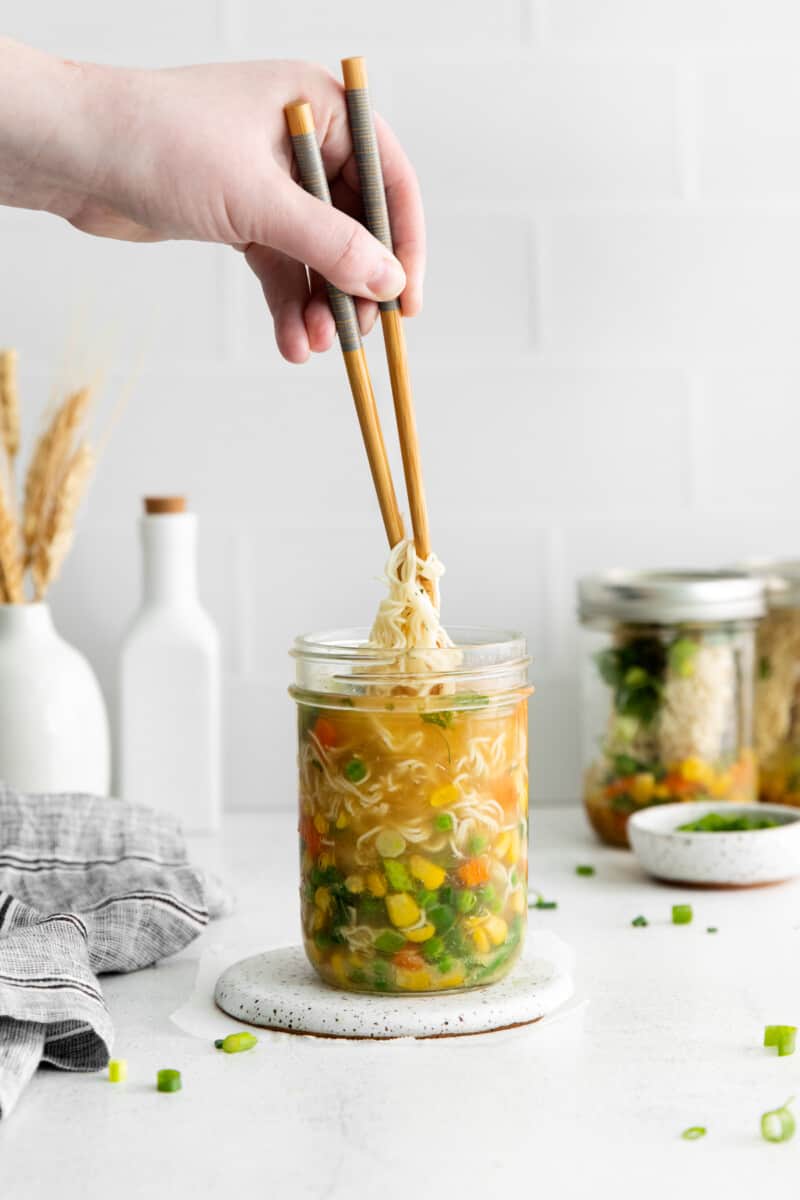
- To serve, pour 1¼ cups boiling water over the noodles and cover with the lid for 5 minutes, or until the ramen noodles are soft. Stir until the seasonings are fully dissolved and enjoy. Alternatively, add enough water to just cover the noodles and microwave for 2 minutes. Cover for 2 minutes and then stir until the seasonings are dissolved. Enjoy.
Becky’s Tips
- Soy Sauce: Use an equal amount of tamari or coconut aminos for a gluten-free alternative.
- Switch up the bouillon for vegetable, onion, or beef bouillon; white, yellow, or red miso paste; or red curry paste.
- Add a protein, such as cubed tofu or tempeh; shredded cooked chicken, pork, or beef; crumbled bacon; or soft-boiled eggs.
- Do not add any raw meat to your noodle cups. The water will not get hot enough to cook it. Always use precooked meat, and add it to the noodle cups after heating.
- Try thin rice vermicelli noodles instead of ramen (most other types of noodles will need to be precooked).
- Add the veggies of your choice, such as carrots, mushrooms, zucchini, peas, Napa cabbage, corn, edamame, or green beans.
- Add some garnishes, such as sriracha; sesame seeds; a drizzle of rice vinegar, hoisin sauce, or fish sauce; or fresh herbs, such as cilantro or mint leaves.
Nutrition information is automatically calculated, so should only be used as an approximation.
How to Make Ramen Cups In Jar
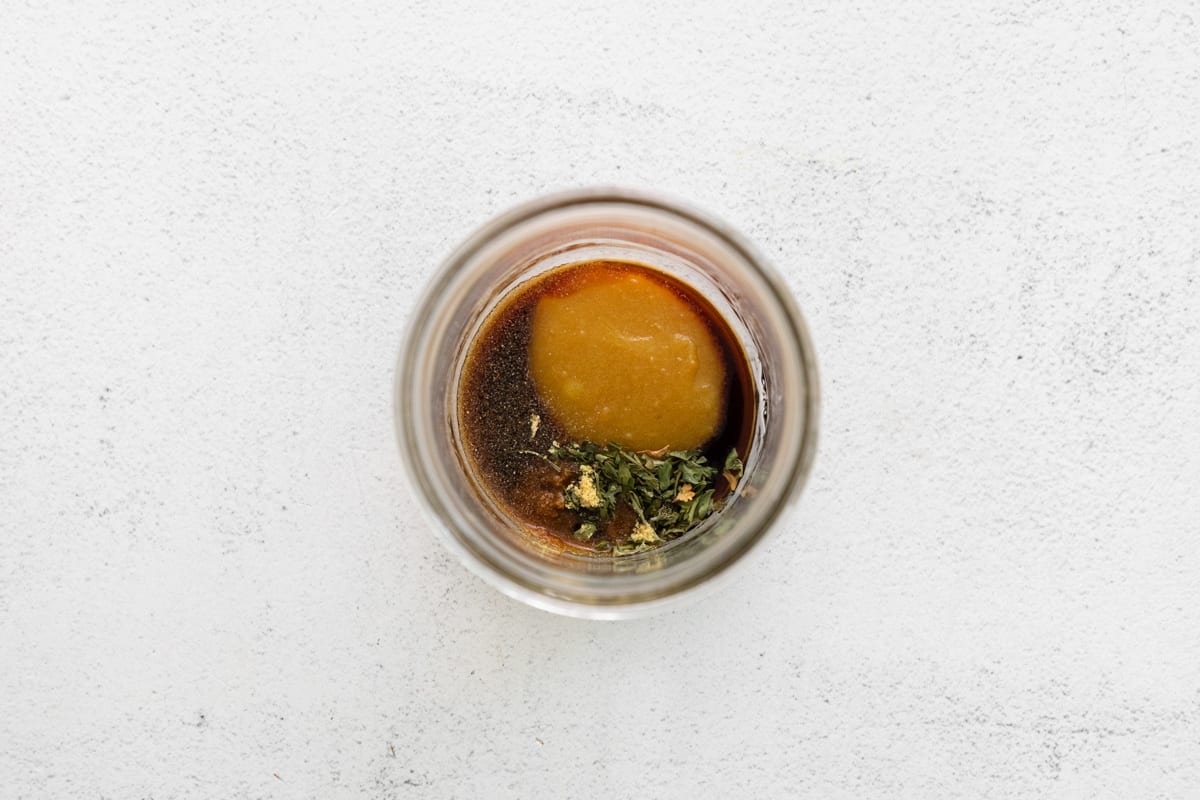
Add seasonings and Veggies to a jar: You need a 16-ounce wide-mouth mason jar for making homemade ramen cups. Add 2 teaspoons of Better Than Bouillon, 2 teaspoons of low-sodium soy sauce, ½ teaspoon of dried parsley, ¼ teaspoon of ground ginger, and ¼ teaspoon of garlic powder, into the jar. Mix well to combine everything.
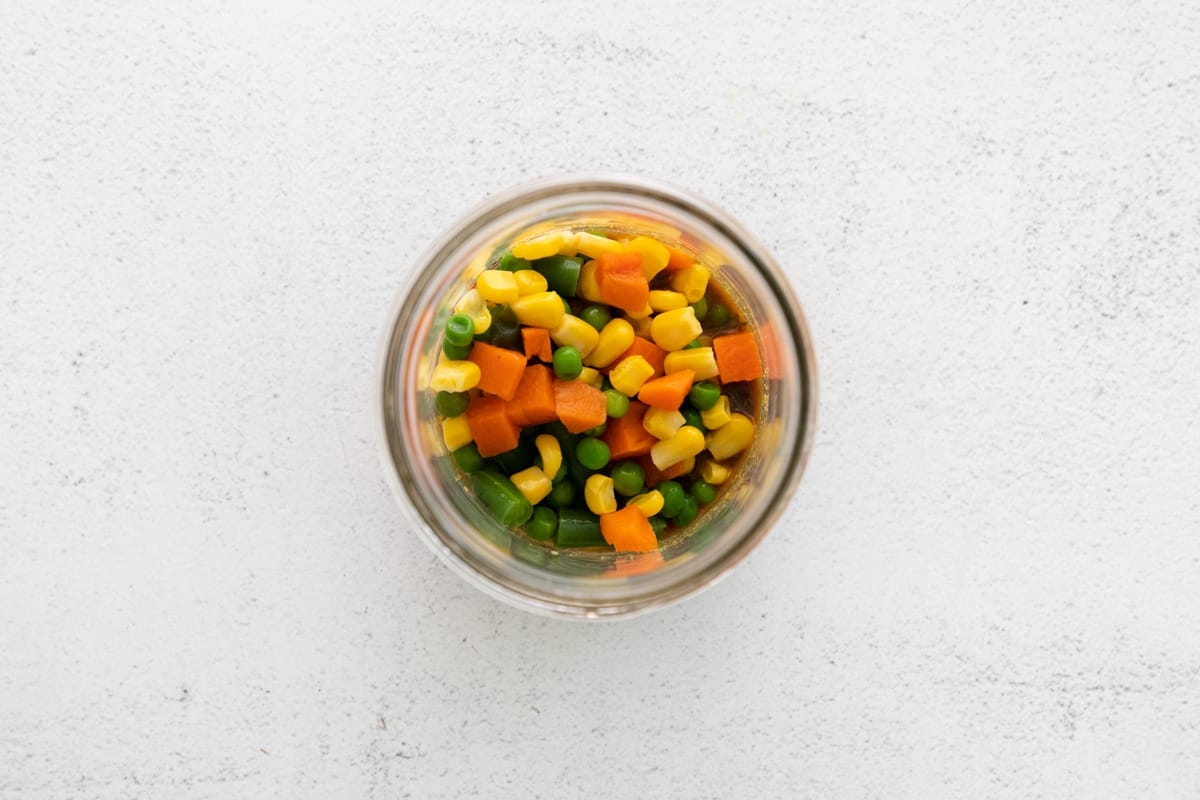
Next pour the ½ cup of frozen mixed vegetables on top of the seasoning but do not mix.
Add Noodles: Finally add the 2 ounces of dried ramen noodles on top of the vegetables (it will cook faster if you break it into small pieces).
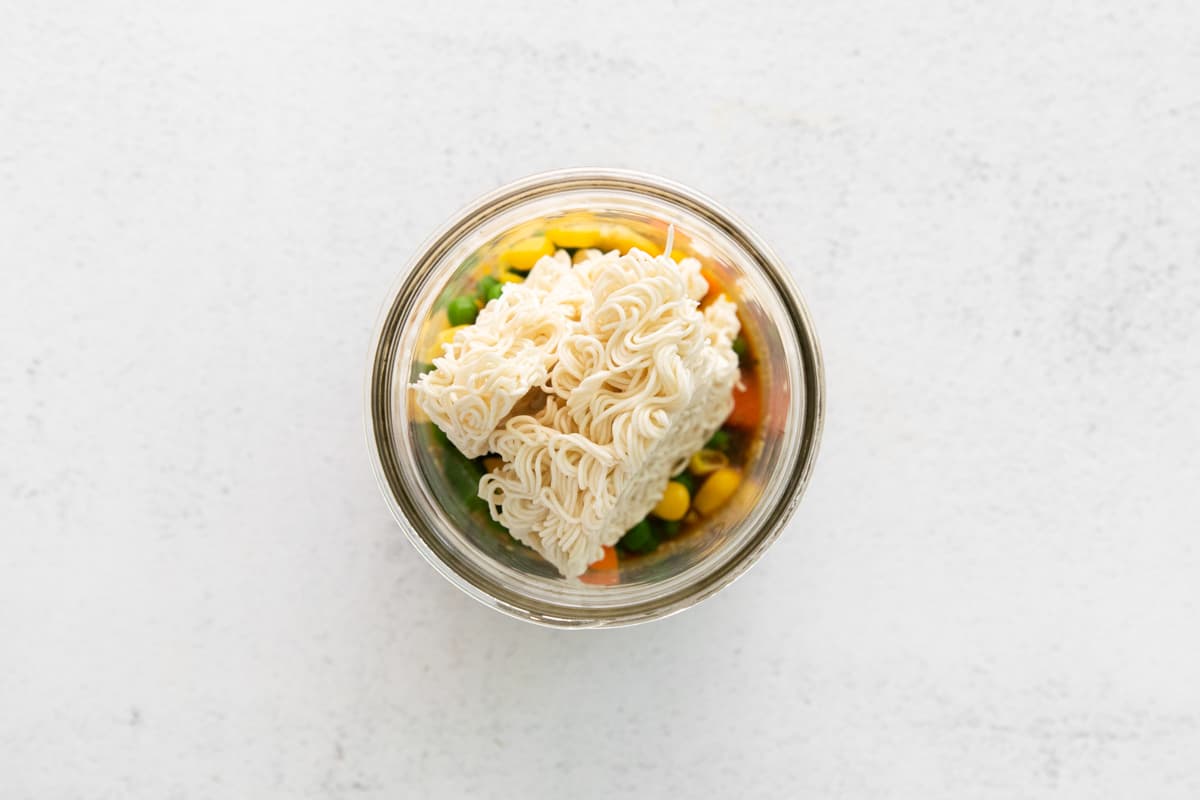
Sprinkle thinly sliced green onions over the ramen. Again, do not mix.
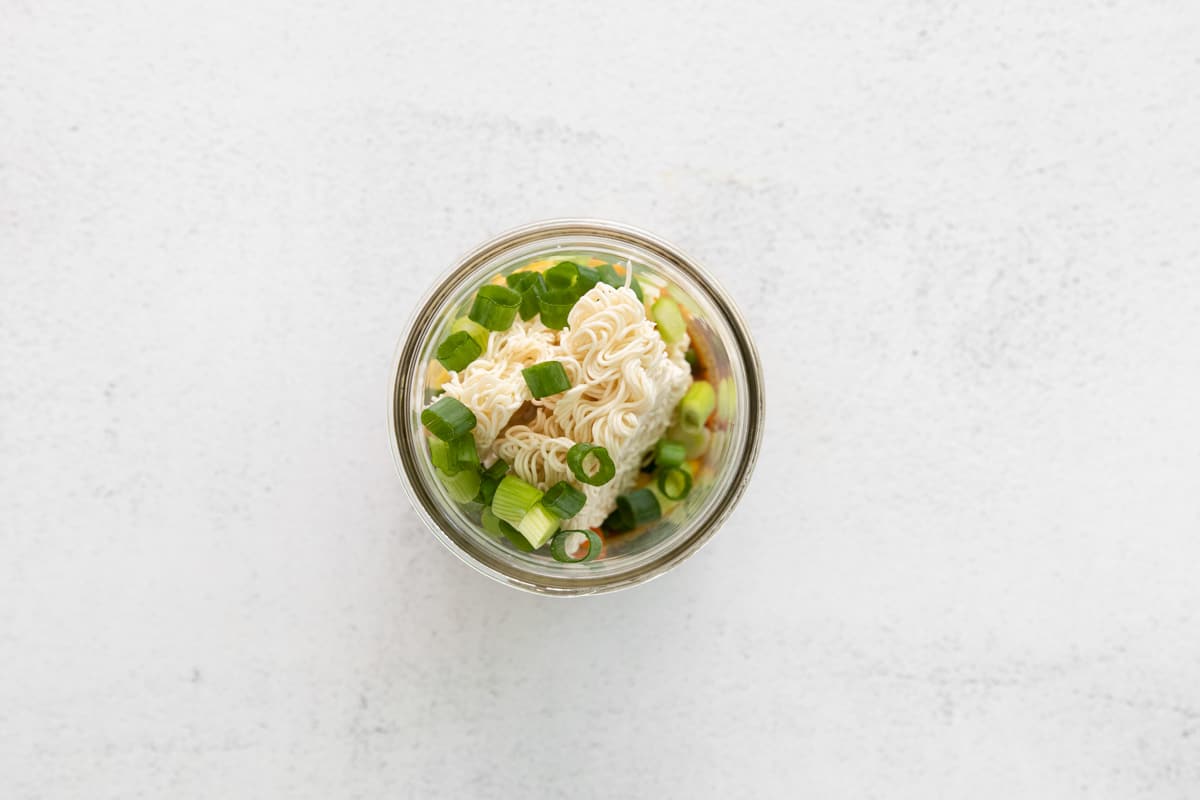
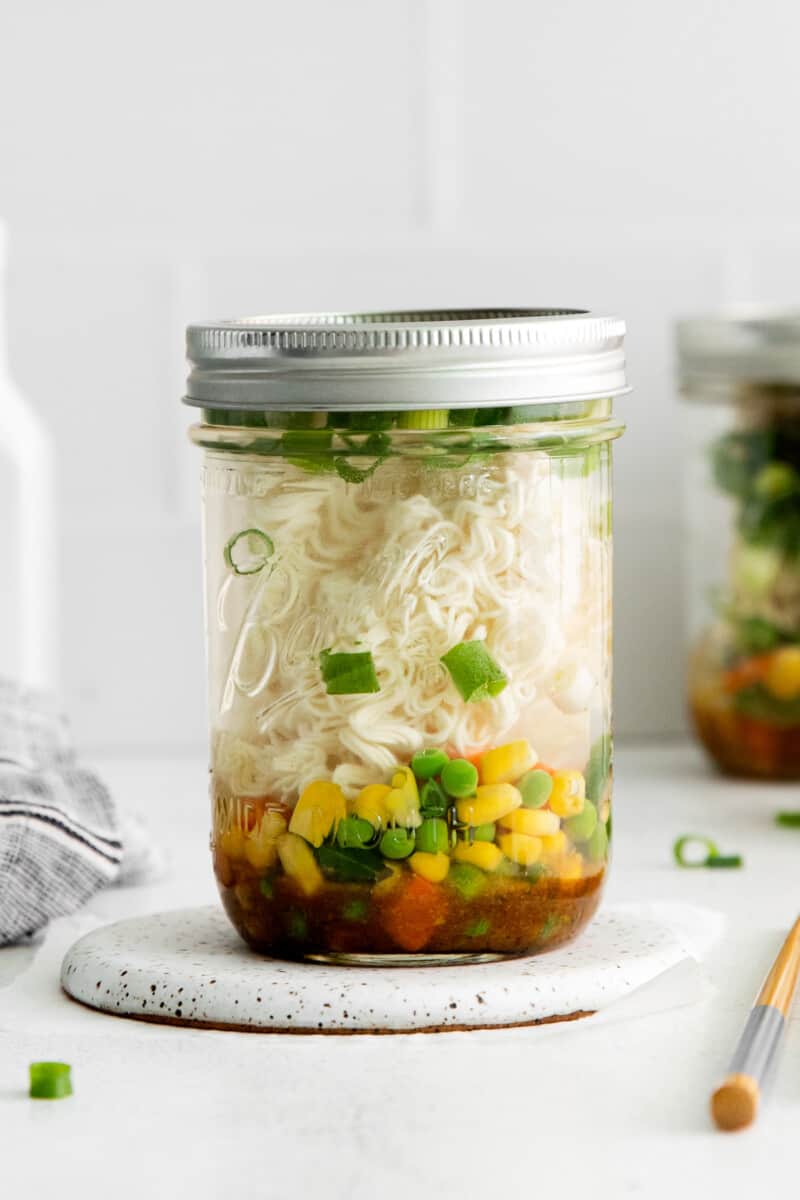
NOTE: This is the step where you can store these jars in refrigerator and just pour hot water at the time of serving.
Serve: To serve, pour 1¼ cups boiling water over the noodles and cover with the lid for 5 minutes, or until the ramen noodles are soft. Stir until the seasonings are fully dissolved and enjoy. Alternatively, add enough water to just cover the noodles and microwave for 2 minutes. Cover for 2 minutes and then stir until the seasonings are dissolved. Enjoy.
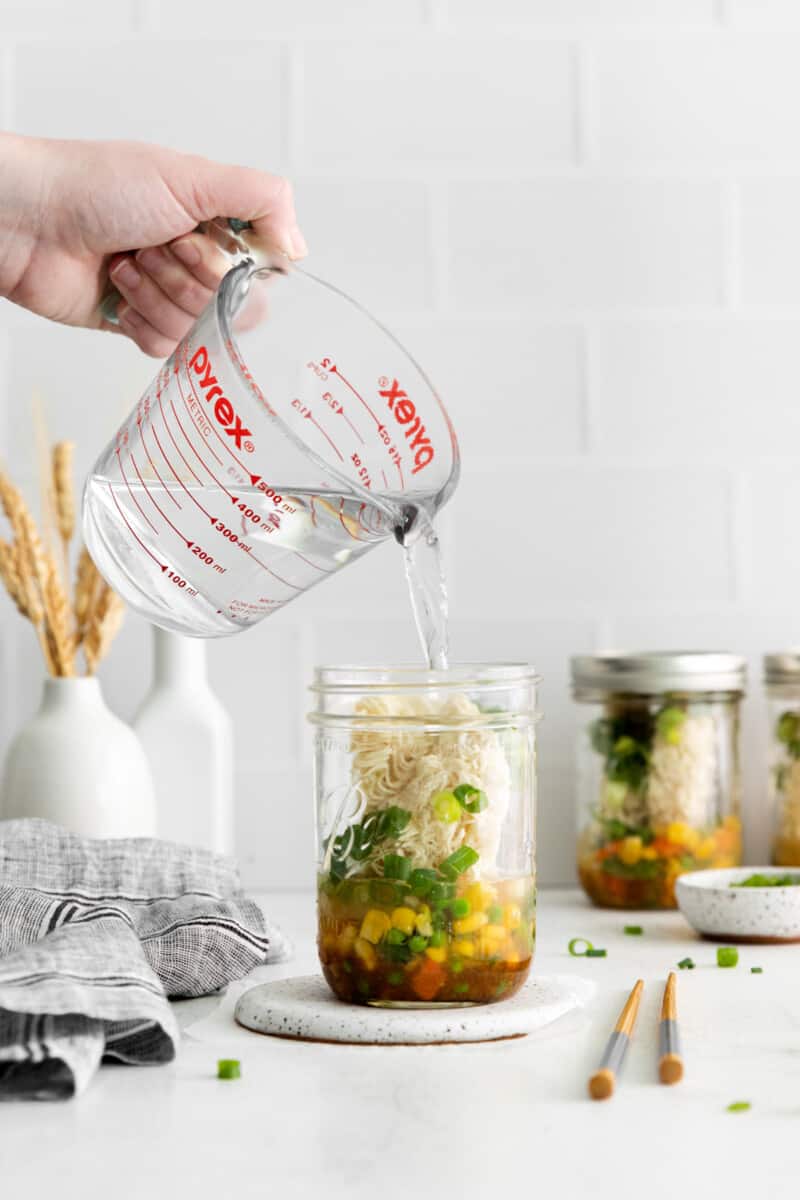
Whether you store it in the freezer or enjoy it right away, you’ll love digging into your homemade Ramen Noodles Cup!
More Healthy Soup Recipes to Try:
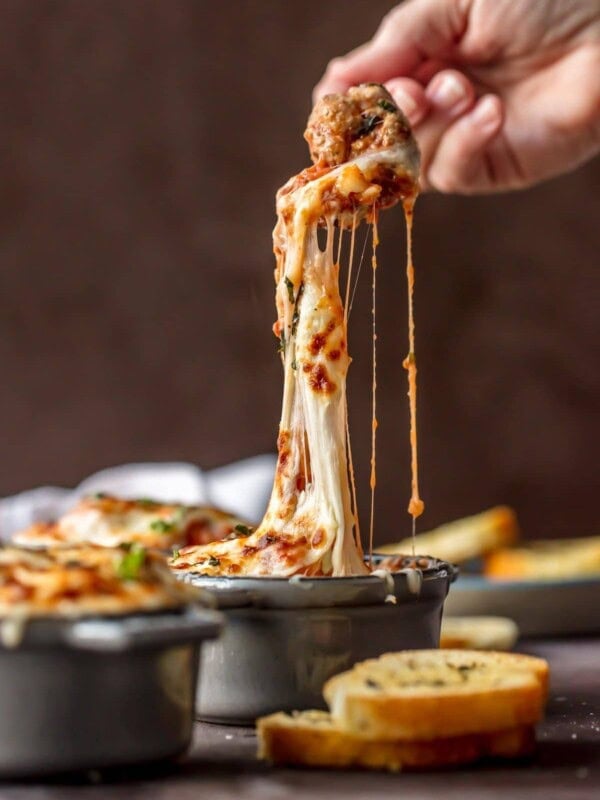
Cheesy Parmesan Meatball Soup Recipe
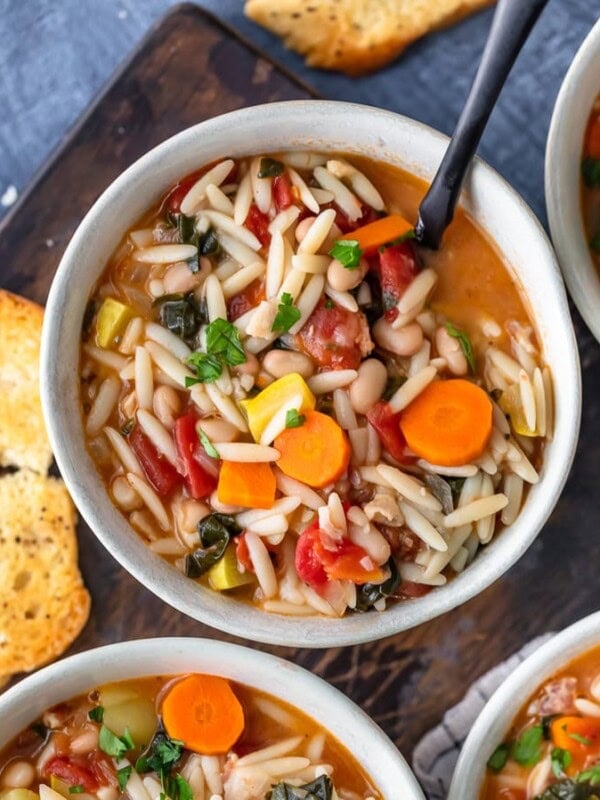
Minestrone Soup with Orzo and Pancetta
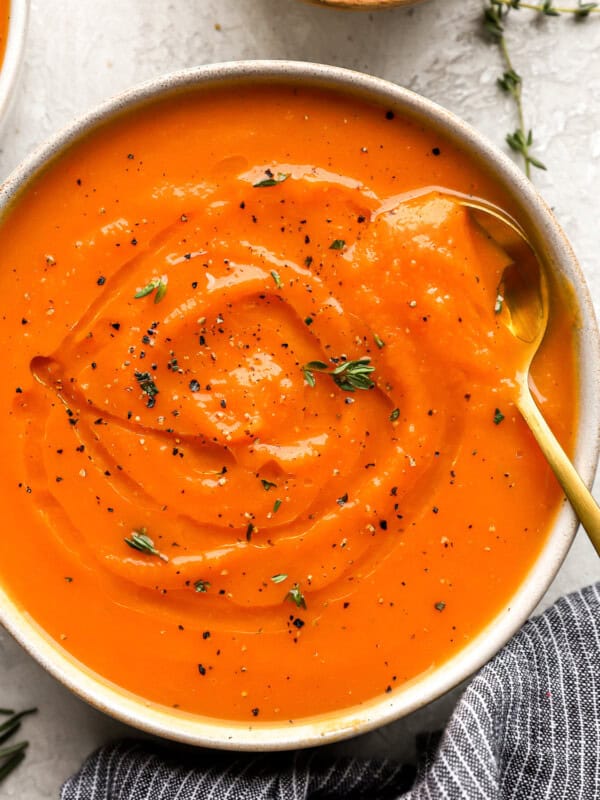
Butternut Squash Soup
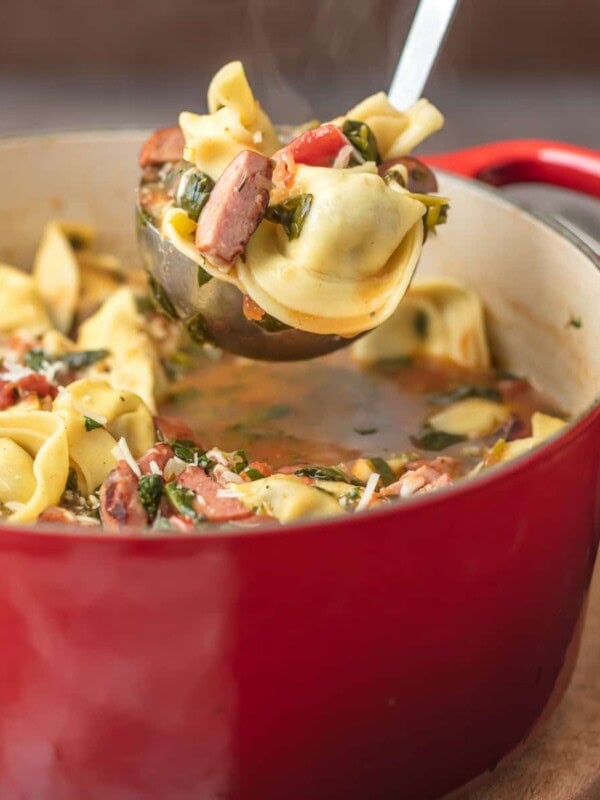
Sweet Italian Sausage Tortellini Soup
Crockpot Broccoli Cheese Soup
Cream of Mushroom Soup
Healthy Crockpot Chicken Tortilla Soup
Chicken Mac and Cheese Soup (Macaroni Soup)
Ramen Cups Recipe
Ingredients
- 2 teaspoons Better Than Bouillon chicken or mushroom flavored
- 2 teaspoons low-sodium soy sauce (see note)
- ½ teaspoon dried parsley
- ¼ teaspoon ground ginger
- ¼ teaspoon garlic powder
- ½ cup frozen mixed vegetables
- 2 ounces dried ramen noodles
- 1 green onion thinly sliced
Instructions
- Add the Better Than Bouillon, soy sauce, dried parsley, ground ginger, and garlic powder to a 16-ounce wide-mouth mason jar. Mix to combine. 2 teaspoons Better Than Bouillon, 2 teaspoons low-sodium soy sauce, ½ teaspoon dried parsley, ¼ teaspoon ground ginger, ¼ teaspoon garlic powder
- Next pour the frozen vegetables on top of the seasoning but do not mix. ½ cup frozen mixed vegetables
- Place the ramen on top of the vegetables (it will cook faster if you break it into small pieces). Next sprinkle the green onion over the ramen. Again, do not mix. 2 ounces dried ramen noodles, 1 green onion
- Attach the lid and store the ramen cup in the fridge for up to 4 days.
- To serve, pour 1¼ cups boiling water over the noodles and cover with the lid for 5 minutes, or until the ramen noodles are soft. Stir until the seasonings are fully dissolved and enjoy. Alternatively, add enough water to just cover the noodles and microwave for 2 minutes. Cover for 2 minutes and then stir until the seasonings are dissolved. Enjoy.
Video
Notes
- Soy Sauce: Use an equal amount of tamari or coconut aminos for a gluten-free alternative.
- Switch up the bouillon for vegetable, onion, or beef bouillon; white, yellow, or red miso paste; or red curry paste.
- Add a protein, such as cubed tofu or tempeh; shredded cooked chicken, pork, or beef; crumbled bacon; or soft-boiled eggs.
- Do not add any raw meat to your noodle cups. The water will not get hot enough to cook it. Always use precooked meat, and add it to the noodle cups after heating.
- Try thin rice vermicelli noodles instead of ramen (most other types of noodles will need to be precooked).
- Add the veggies of your choice, such as carrots, mushrooms, zucchini, peas, Napa cabbage, corn, edamame, or green beans.
- Add some garnishes, such as sriracha; sesame seeds; a drizzle of rice vinegar, hoisin sauce, or fish sauce; or fresh herbs, such as cilantro or mint leaves.
Nutrition
By Becky Hardin
Published Jul 12, 2017
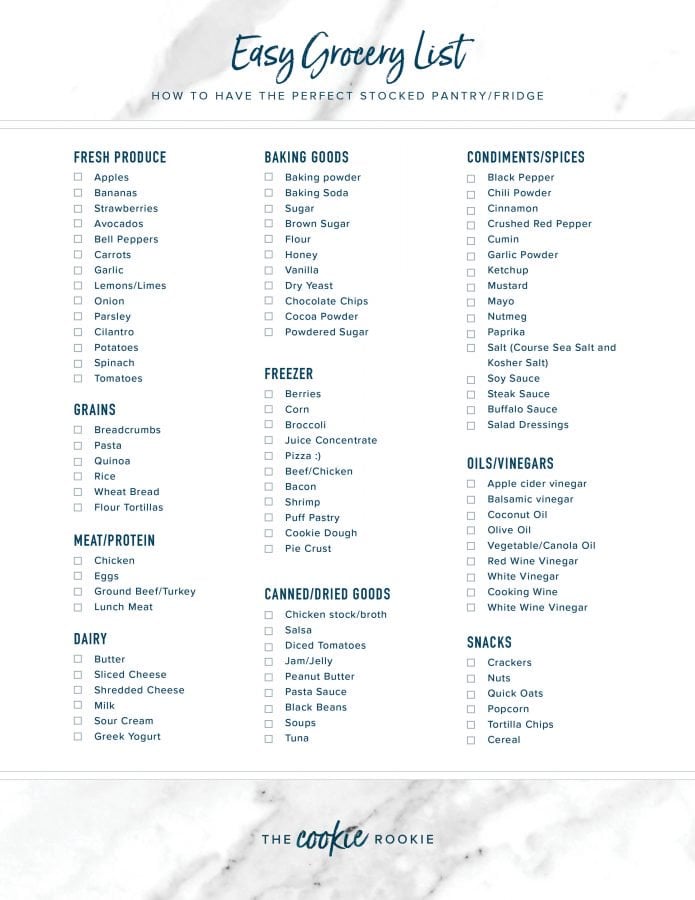
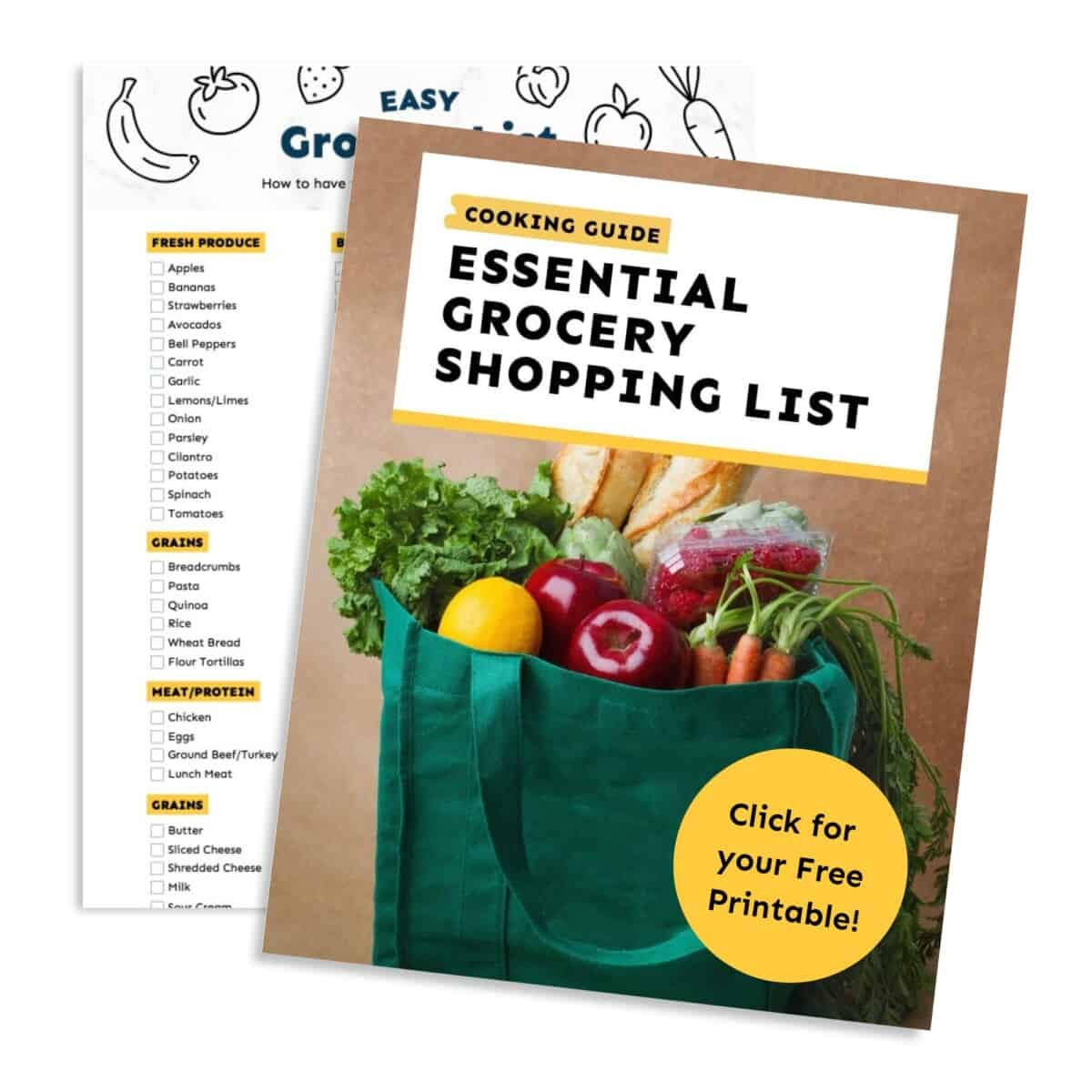
This Essential Grocery List is an absolute life saver for my family on the busy weeks. When I started this journey to learn how to cook, I quickly realized that the first step in cooking is having staple ingredients on hand. I want to avoid having to run out to the grocery store every single time I prepare a new recipe. Having a well-stocked pantry has made my life in the kitchen so much simpler, because when it’s time to cook, I have what I need.
Essential Grocery List
It’s so helpful to have a basic grocery list to help me remember which foods to buy at the store. This food shopping list is my go-to!
It’s better to stock up on things like grains, seasonings and spices, baking essentials, oils, condiments, canned and frozen foods, etc. so I can just grab them when I need them. These things have a long shelf life , so I keep them in my kitchen for convenience.
However, I do have to go to the supermarket sometimes, and there’s a way to make that trip easy and hassle-free: I keep a grocery list! If I go in blindly, I’ll leave with things I don’t need, and nothing that actually helps me prepare a good meal.
In the list below, I’ve compiled everything I always have on my stock-up grocery list.
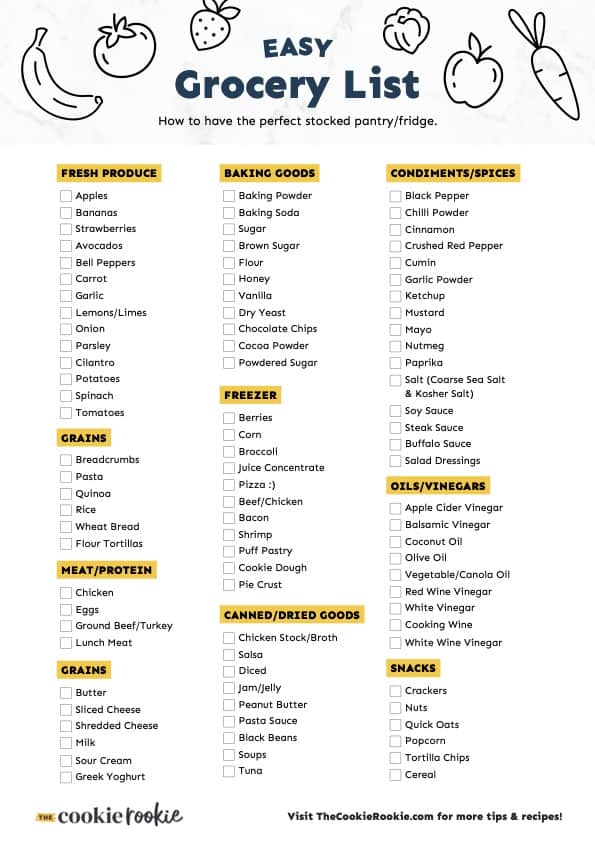
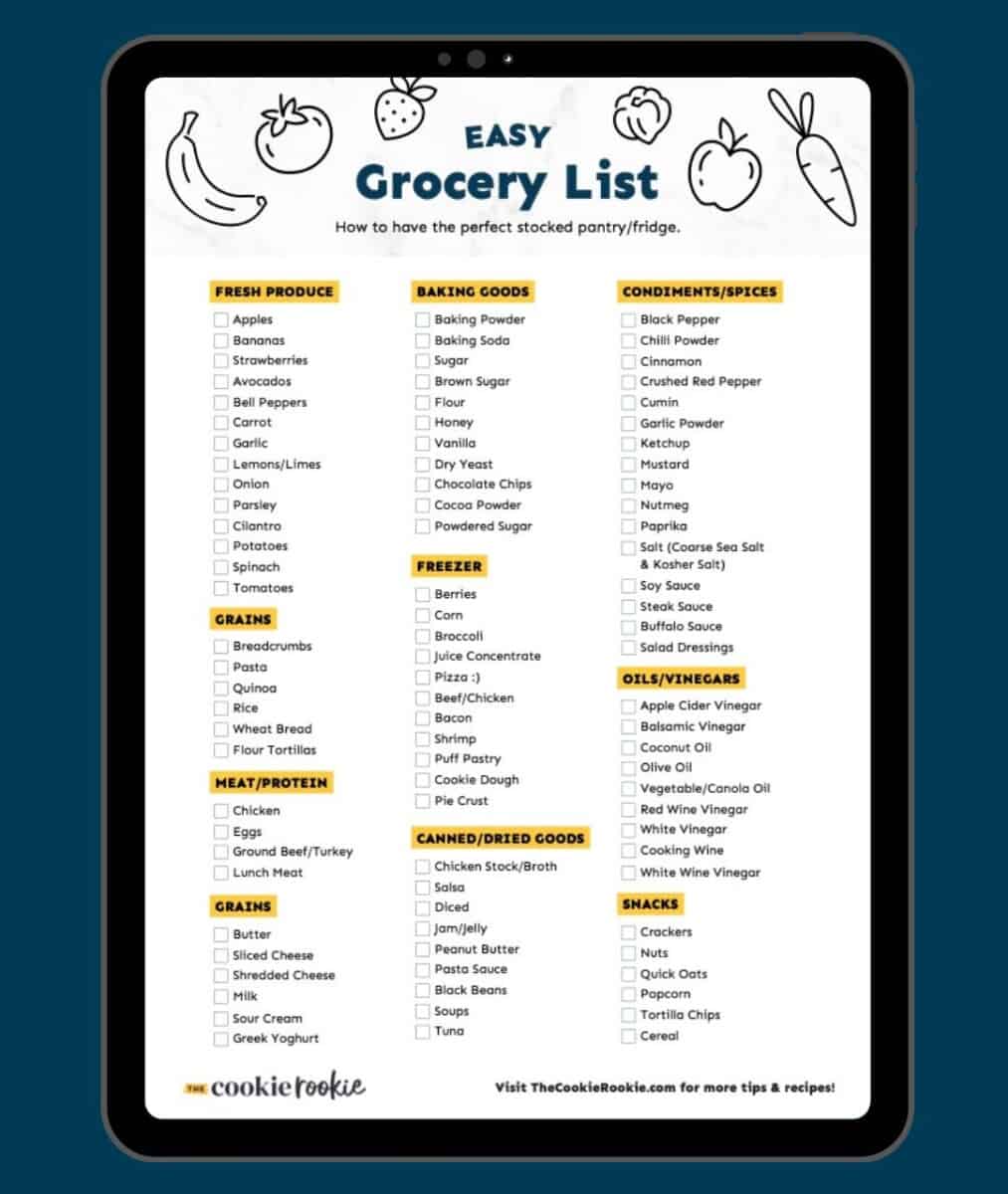
I’ve got you covered! I created an easy grocery list filled with all of the essentials. Plus there’s a free printable version that you can take with you to the grocery store. It has everything you need to stock your pantry, your freezer, and your refrigerator.
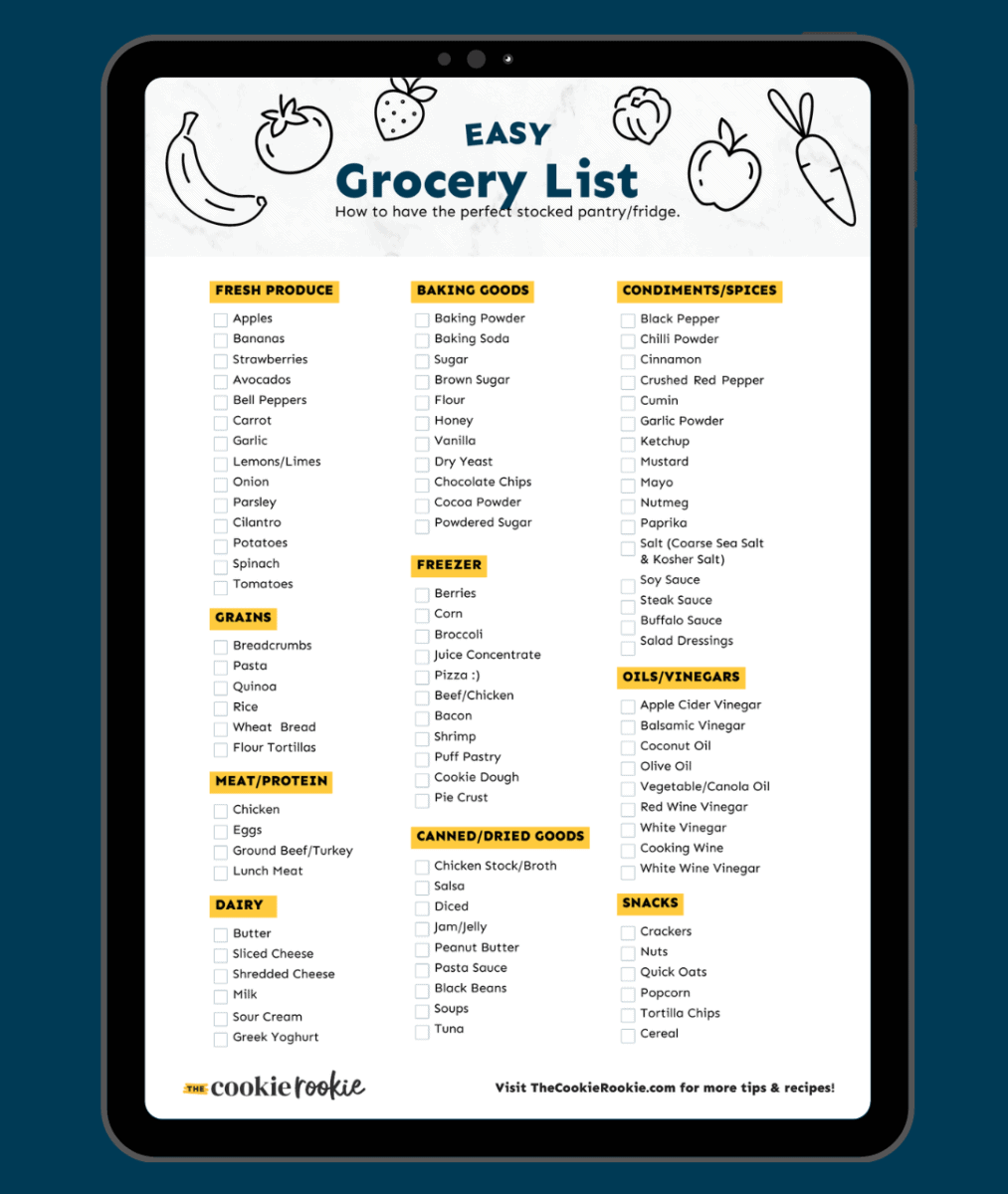
Click to get my Free Printable Grocery List
What to Buy at the Grocery Store
This is the perfect grocery list filled with all the basics and essentials. It should help get you going if you’re new to cooking, or if you’re just left staring helplessly at an empty pantry and don’t know how to fill it.
When I first started cooking, things could seem overwhelming. I quickly realized that they more prepared I could be, the more confident I felt. If you already have the basics in your kitchen, then you can shop stress-free.
So print out our easy grocery list, stock up your pantry and fridge, and you’ll be cooking in no time!
Click to get my Free Printable Grocery List for the perfectly stocked pantry and freezer!
Fresh Produce
- Apples
- Bananas
- Strawberries
- Avocados
- Bell Peppers
- Carrots
- Broccoli
- Garlic
- Lemons/Limes
- Onion
- Parsley
- Cilantro
- Basil
- Potatoes
- Spinach
- Tomatoes
GRAINS
- Breadcrumbs
- Pasta
- Quinoa
- Rice
- Sandwich Bread
- Tortillas
MEAT/PROTEIN
- Chicken
- Eggs
- Ground Beef
- Sliced Turkey
- Lunch Meat
DAIRY
- Butter
- Sliced Cheese
- Shredded Cheese
- Milk
- Sour Cream
- Greek Yogurt
BAKING GOODS
- Baking powder
- Baking Soda
- Granulated Sugar
- Brown Sugar
- Flour
- Honey
- Vanilla Extract
- Dry Yeast
- Chocolate Chips
- Cocoa Powder
- Powdered Sugar
FREEZER
- Fruit and Berries
- Frozen Veggies (Corn, Peas, Broccoli, etc)
- Juice Concentrate
- Pizza or Other Convenience Meals
- Pie Crust
- Cookie Dough
CANNED/DRIED GOODS
- Chicken stock/broth
- Salsa
- Diced Tomatoes
- Jam/Jelly
- Peanut Butter
- Pasta Sauce
- Beans (Black Beans, Chickpeas, Baked Beans, etc)
- Soups
- Tuna
- Green Chiles
- Canned Veggies
- Coffee or Tea
Get more details on the best non-perishable and pantry foods
CONDIMENTS/SPICES
- Black Pepper
- Chili Powder
- Cinnamon
- Crushed Red Pepper
- Cumin
- Garlic Powder
- Ketchup
- Mustard
- Mayo
- Nutmeg
- Paprika
- Salt (Course Sea Salt and Kosher Salt)
- Soy Sauce
- Steak Sauce
- Hot Sauce/ Buffalo Sauce
- Salad Dressings
OILS/VINEGARS
- Apple cider vinegar
- Balsamic vinegar
- Coconut Oil
- Olive Oil
- Vegetable/Canola Oil
- Red Wine Vinegar
- White Vinegar
- Cooking Wine
- White Wine Vinegar
SNACKS
- Crackers
- Nuts
- Quick Oats
- Popcorn
- Tortilla Chips
- Cereal
Click to get my Free Printable Grocery List for the perfectly stocked pantry and freezer!
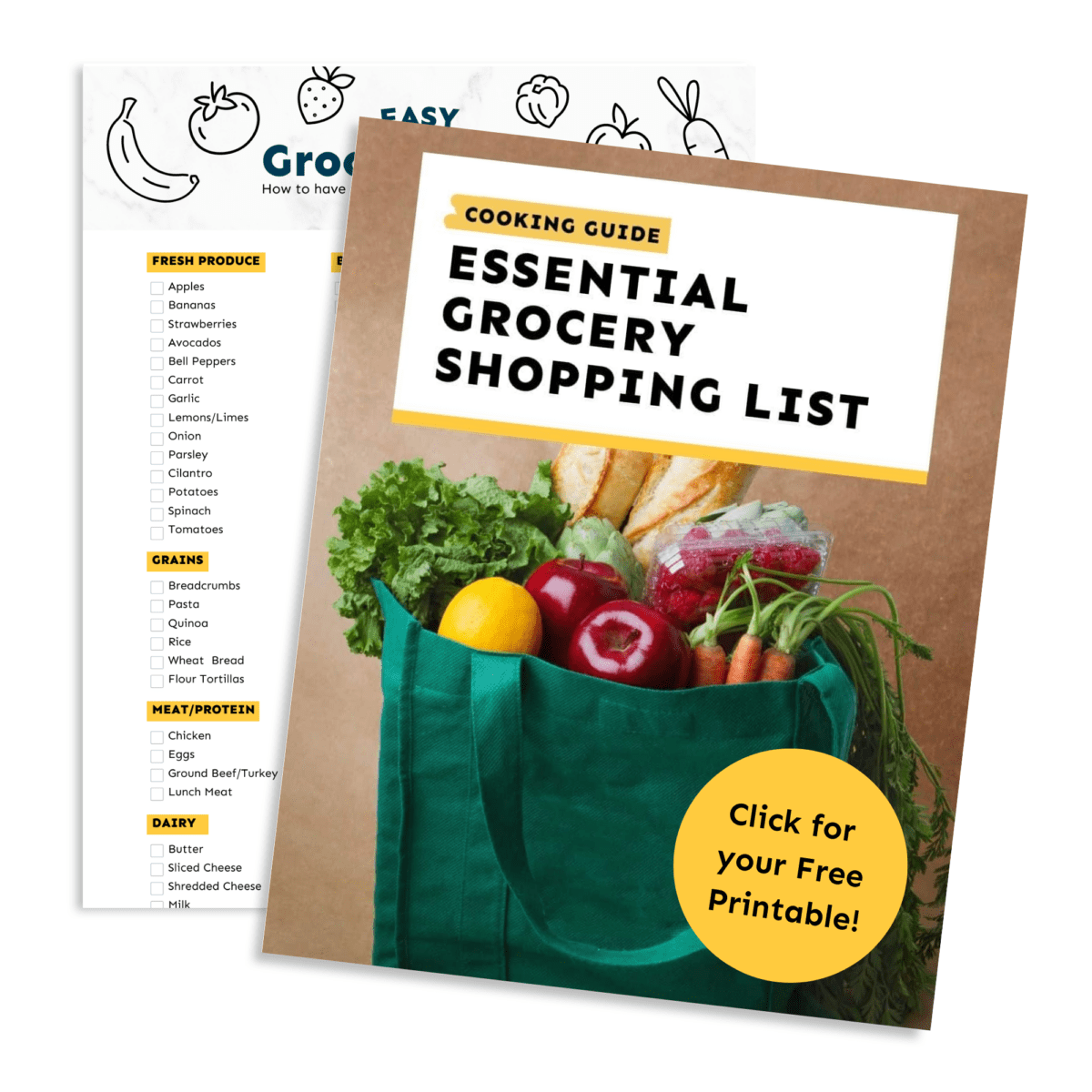
Click ☝🏻 for my FREE Grocery List Printable!
I hope this essential grocery list can help you buy what you need and make your home cooking so much easier!
Stock Your Kitchen
Find more ideas for your grocery list, stock up your kitchen, and print more cooking guides and charts to keep handy!
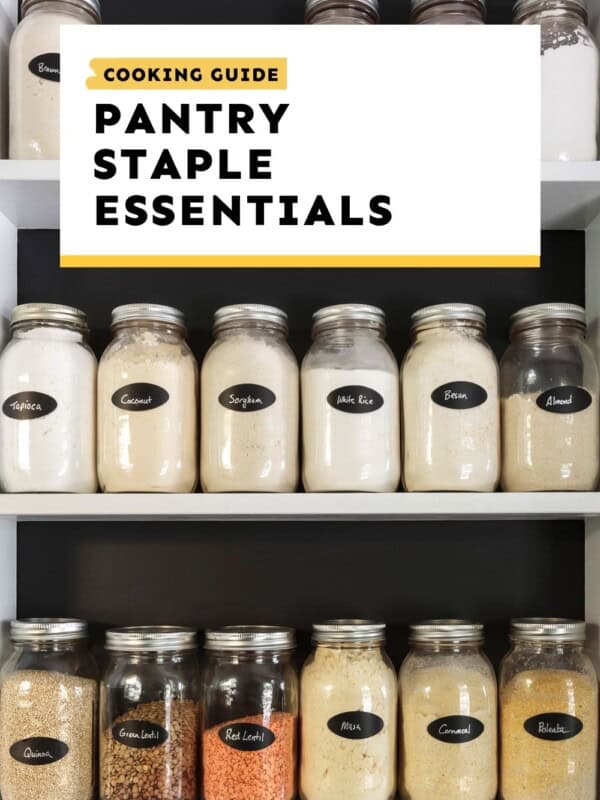
Non-Perishable Foods to Stock Up On
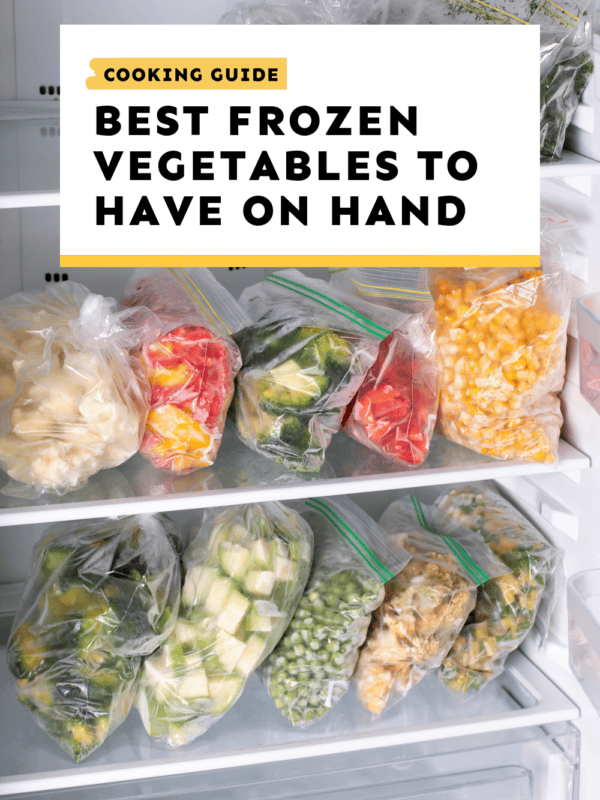
Frozen Vegetables to Stock Up On (and Recipes to Make)
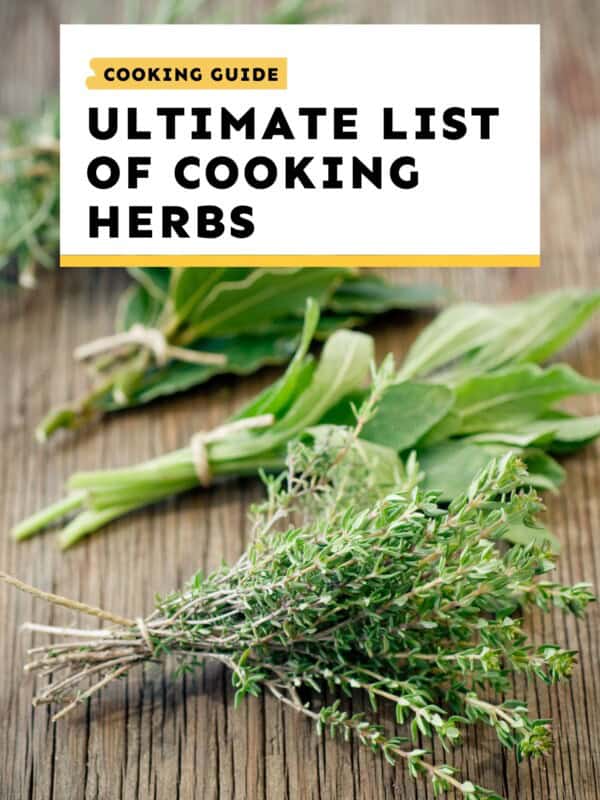
Ultimate List of Cooking Herbs for Your Kitchen

Ultimate List of Cooking Spices for Your Kitchen
Cooking Oil 101: Types of Cooking Oils to Use
26 Types of Pasta and When to Use Them
What Fruits and Vegetables are in Season?
Meat Temperature Chart (Free Printable)
How to Meal Prep (Guide for Beginners)
Basic Cooking Measurements & Kitchen Conversion Chart