By Krista Teigen
Published Jul 7, 2025

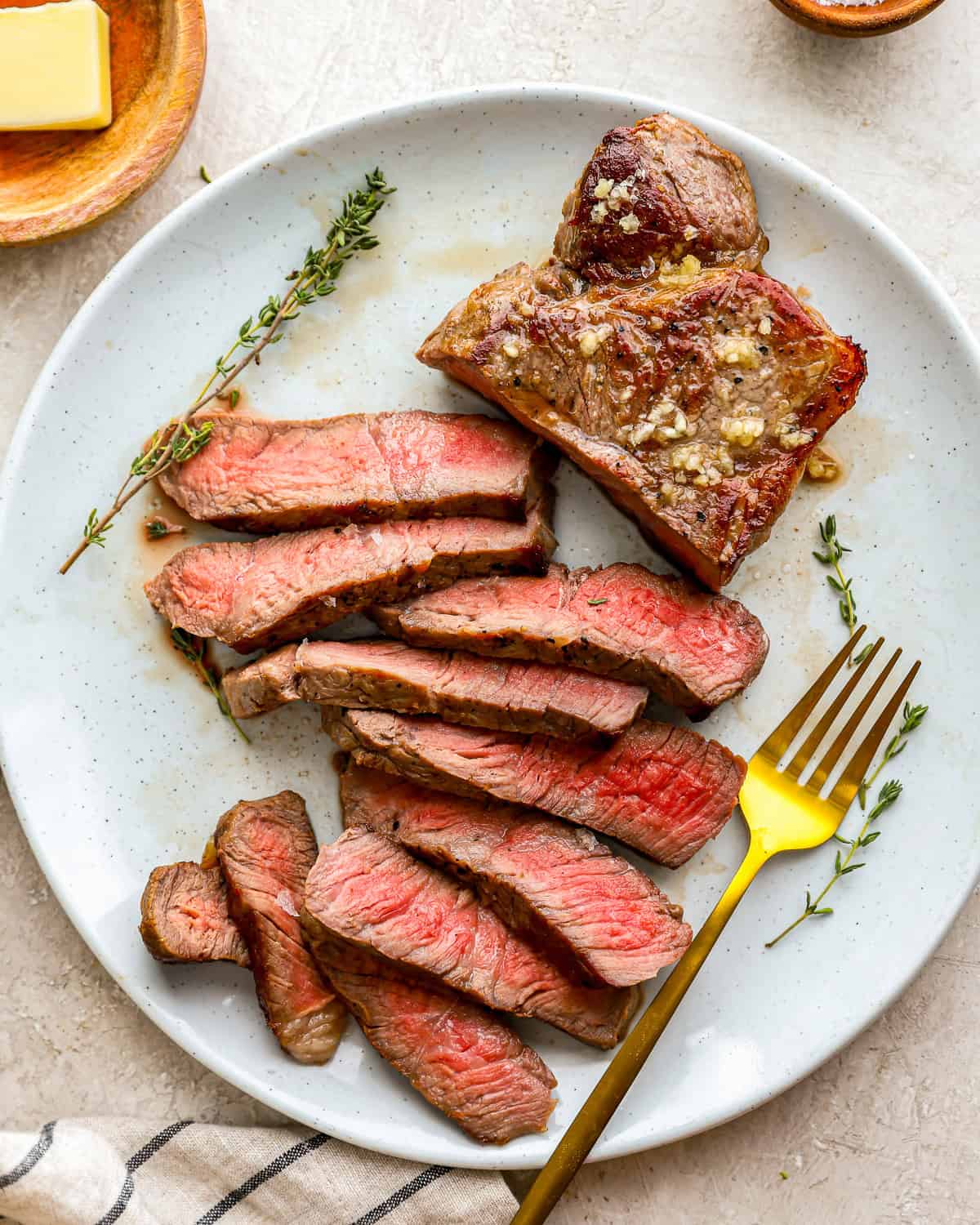
I use the sous vide method to guarantee a perfectly cooked steak every time, and my sous vide device has never let me down. It precisely controls the temperature, ensuring the entire steak is cooked evenly to your desired doneness. The result? A beautifully browned crust on the outside and a consistently pink, juicy, medium-rare interior.
Pin this recipe for later!
Sous Vide Cooking
Sous vide cooking is how you consistently get a perfectly cooked steak at your favorite steakhouse. It’s the process of vacuum-sealing food and cooking it in a temperature-controlled water bath—cooking at a low temperature for an extended period. This method uses a sous vide device that controls the temperature of the water bath to a precise temperature. Those trained chefs use this method to maintain quality and control while pushing out hundreds of steaks.
I realize this is a specialized method. If you don’t have a sous vide device I’ll show you how to do this method without it. I also have plenty of other delicious steak recipes: filet mignon recipe , peppercorn steak , or how to cook a ribeye .
Tips for Beginners
- Don’t let the steak sit for more than 4 hours in the sous vide. While this method is foolproof, if you leave the steak sitting for too long, the tendons will break down too much and create an undesirable texture. Cook for a maximum of 2 hours.
- Properly heat the cast iron. Start by placing the cast iron on a stovetop burner and setting the heat to medium-low. Allow the skillet to warm up gradually, as cast iron heats slowly but retains heat well. This slow heating helps prevent hot spots and ensures even cooking. After 5-10 minutes, depending on your stovetop, test the skillet’s heat by adding a few drops of water. If they sizzle and evaporate immediately, the skillet is ready.
- Let the steak rest for a couple of minutes after the final sear. This redistributes the juices, making each bite tender and juicy.
Steak Temperatures
- Rare: 120°F to 128°F
- Medium-rare: 129°F to 134°F
- Medium: 135°F to 144°F
- Medium-well: 145°F to 155°F
- Well-done: 156°F and up
Ingredients1x2x3x
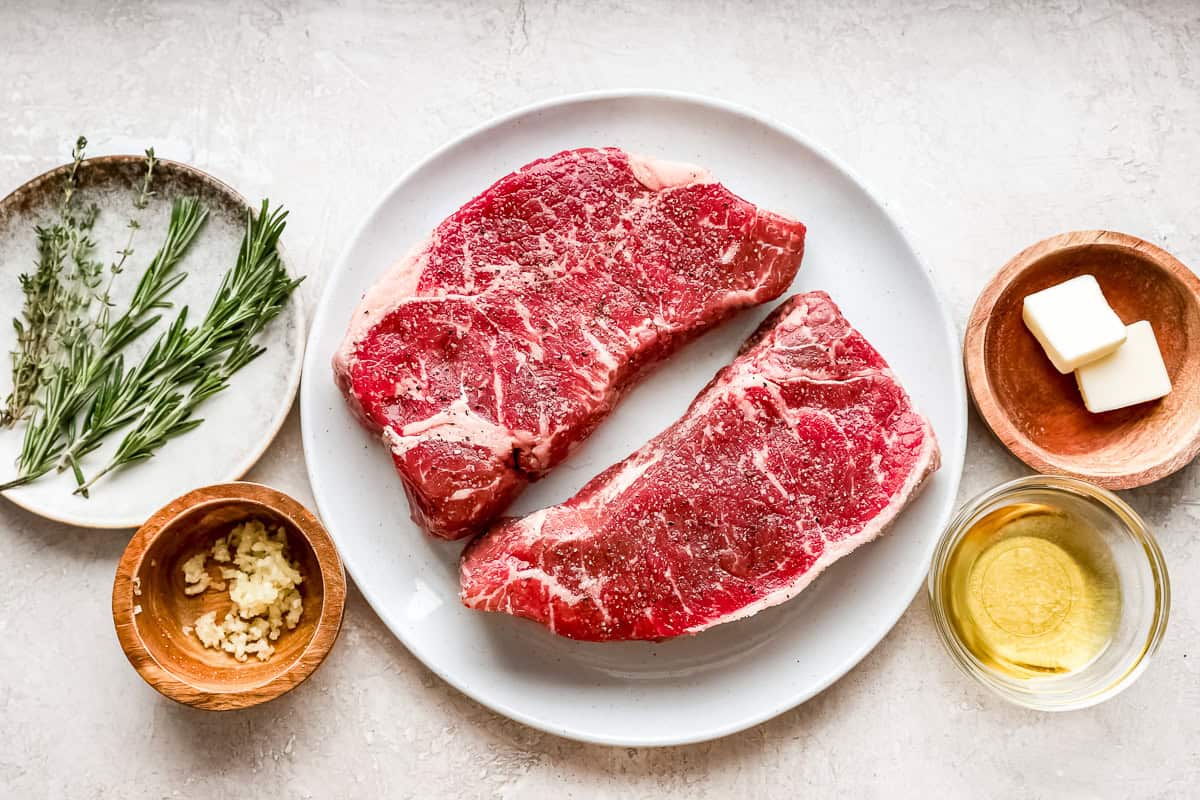
- ▢ 2 New York strip or ribeye steaks
- ▢ Salt and pepper
- ▢ 4 sprigs of rosemary divided
- ▢ 4 sprigs of thyme divided
- ▢ 3 tablespoons avocado oil
- ▢ 2 cloves garlic minced
- ▢ 2 tablespoons butter
Video
Instructions
- Pat the steak dry with a paper towel and bring it to room temperature. 2 New York strip or ribeye steaks
- Prep the water bath by filling a large stock pot with enough water to hit the water line on the sous vide device. Secure the sous vide cooker to the outer rim of the pot and set the device to 130 (for medium rare). See notes for cooking temperatures.
- Season the steaks liberally with salt and pepper. Place the steaks, 2 sprigs of rosemary, and 2 sprigs of thyme in the food saver bag or stasher bag. If using a food saver bag, use a vacuum sealer to remove the air from the bag. For a silicone bag, use your hands to press out the air from the bag before manually sealing. Salt and pepper, 4 sprigs of rosemary, 4 sprigs of thyme
- Place the bags into the water bath, ensuring they’re fully submerged. Let the steak cook for 2 hours.
- Remove the bag(s) from the water bath. Remove the steaks from the bag, and transfer to a cutting board or sheet pan. Pat them dry again with a paper towel.
- Heat a cast iron skillet on the stove over medium high heat. Add in the avocado oil. When the skillet is very hot, place the steaks in the pan, and sear them for 1 minute per side to create a charred exterior. 3 tablespoons avocado oil
- Transfer the steak to a plate or cutting board.
- Top each steak with 1 tablespoon of butter and a sprinkle of minced garlic. 2 tablespoons butter, 2 cloves garlic
Equipment
- 1 Sous Vide (Immersion Circulator)
- 1 Stock Pot
- Vacuum sealer
- Food Saver Bags
Becky’s Tips
- If you don’t have a vacuum sealer, that’s okay! You can remove air from the bag by using the water displacement method: submerge the bag in water until the air is squeezed out, then seal it.
- Properly heat the cast iron. Start by placing the cast iron on a stovetop burner and setting the heat to medium-low. Allow the skillet to warm up gradually, as cast iron heats slowly but retains heat well. This slow heating helps prevent hot spots and ensures even cooking. After 5-10 minutes, depending on your stovetop, test the skillet’s heat by adding a few drops of water. If they sizzle and evaporate immediately, the skillet is ready.
Nutrition information is automatically calculated, so should only be used as an approximation.
How to Make Sous Vide Steak Step by Step
Prepare the Steak: Pat the 2 steaks dry with paper towels to remove excess moisture. Leave to the side and allow them to come to room temperature.
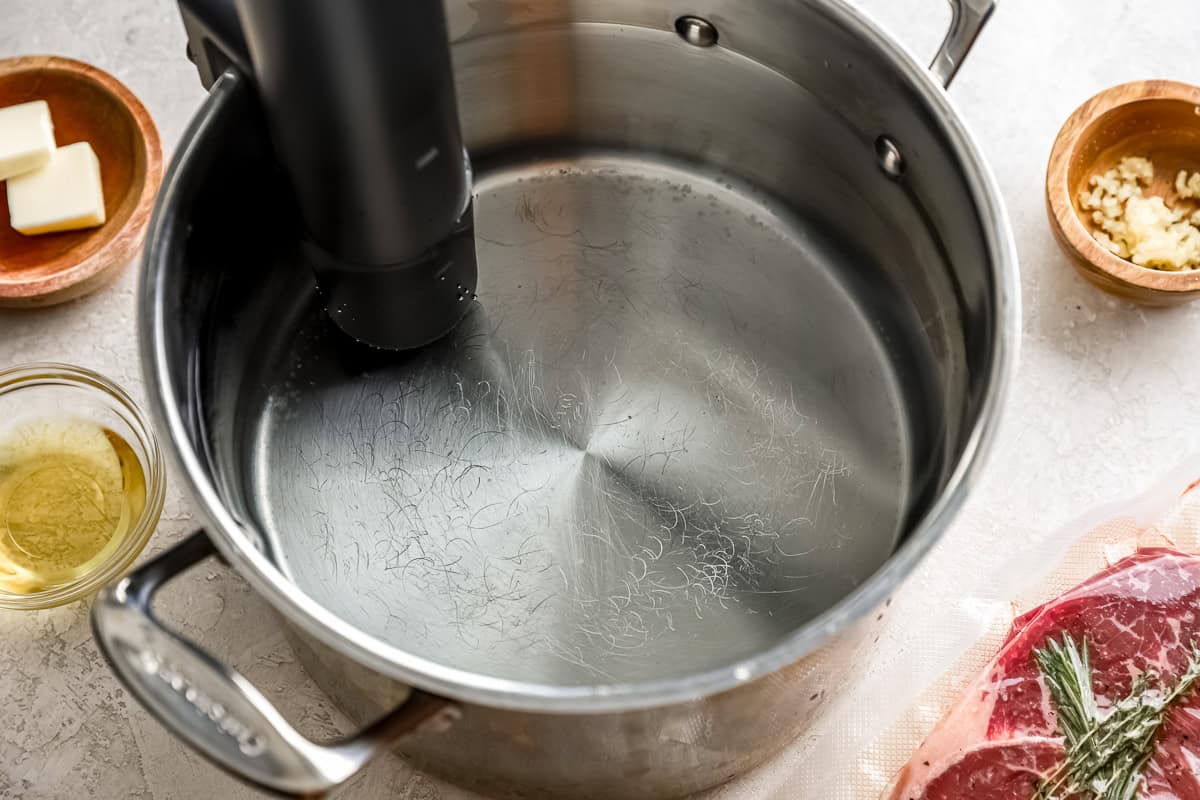
Prepare the Sous Vide: Secure the sous vide to the side of a large stock pot, and fill it with water to the line on the device. Set the device to 130°F for medium rare.
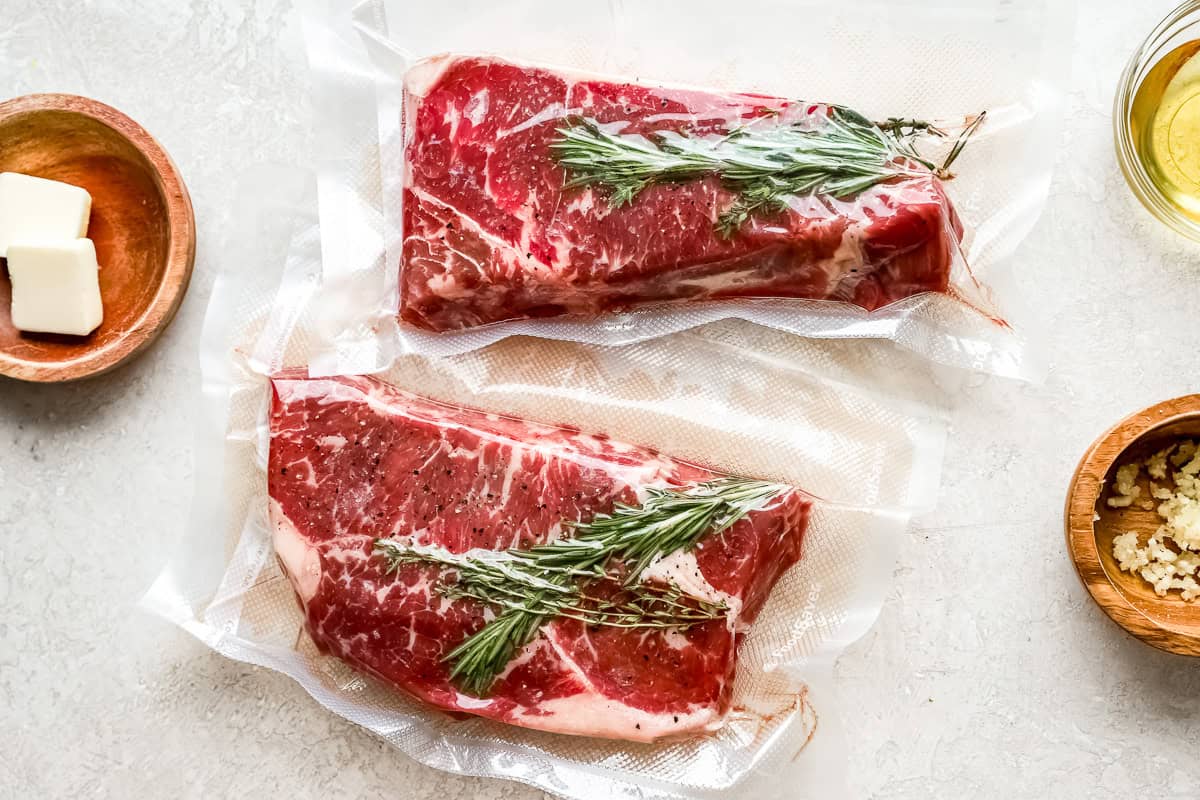
Fill the Bag: Season 2 steaks generously with salt and black pepper. Add the steaks, 2 sprigs of thyme, and 2 sprigs of rosemary to the food-saver or silicone bag. Use a vacuum sealer to remove the air from a food-saver bag. If using a silicone bag, manually press out the air using your hands and seal.
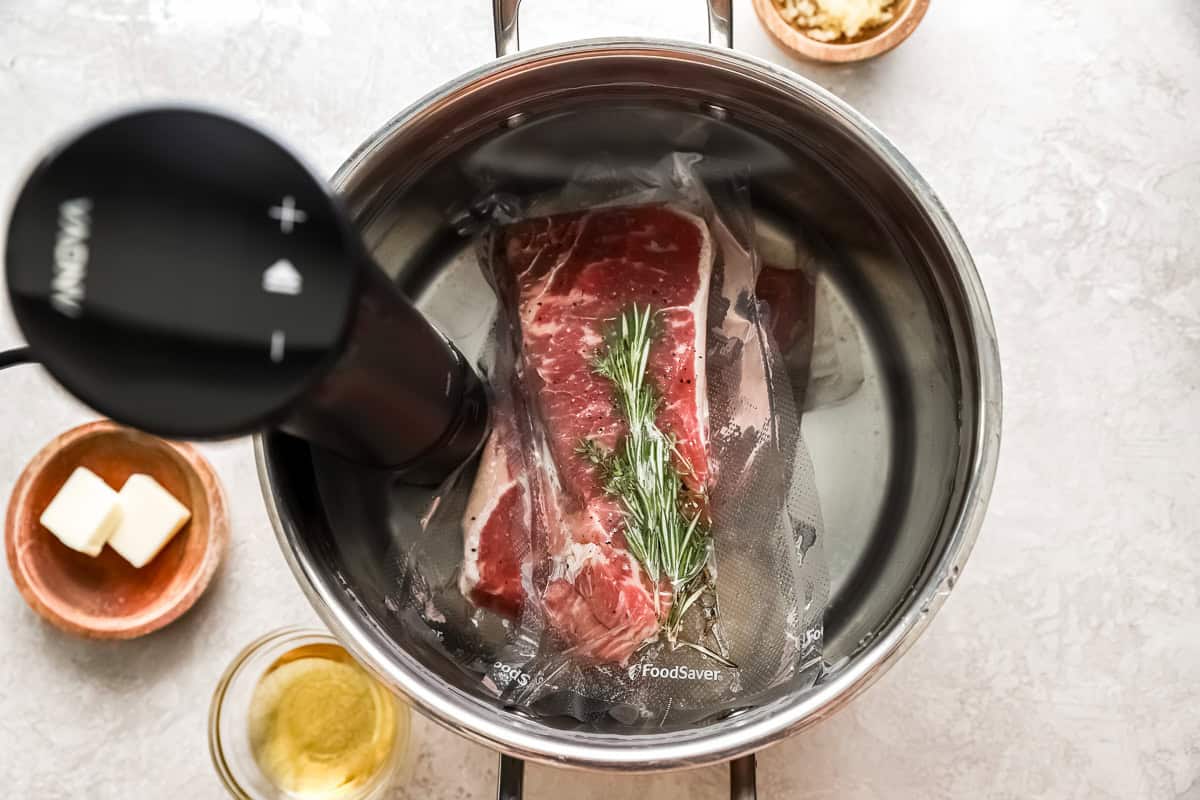
Submerge the Bags: Add the bags to the pot and fully submerge them in water. Cook the steaks for 2 hours.
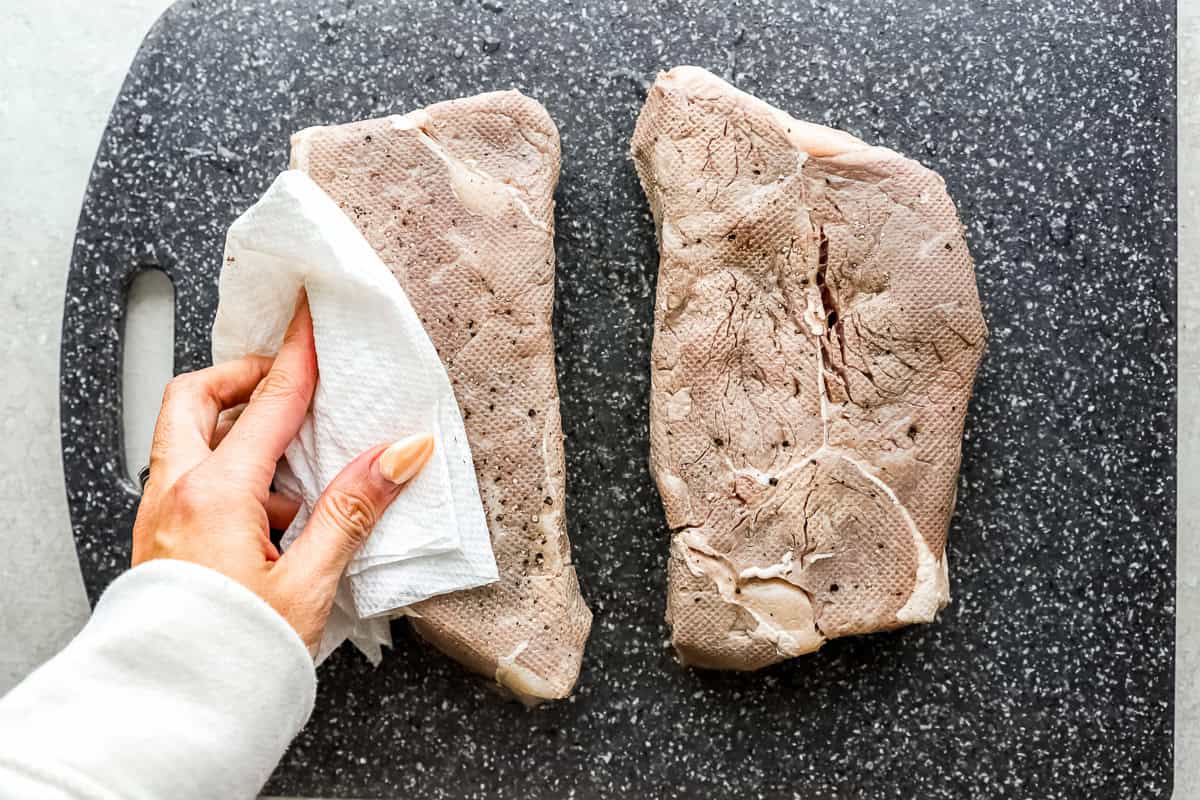
Remove the Steaks: Remove the bag(s) from the pot and remove the steaks from the bags. Place the steaks on a cutting board and pat dry again with paper towels.
Sear the Steaks: Heat a cast iron skillet and 3 tbsp of avocado oil on medium-high heat until very hot. Add the steaks to the pan and sear for 1 minute. Flip and sear on the other side for 1 minute. Both sides should be browned and charred.
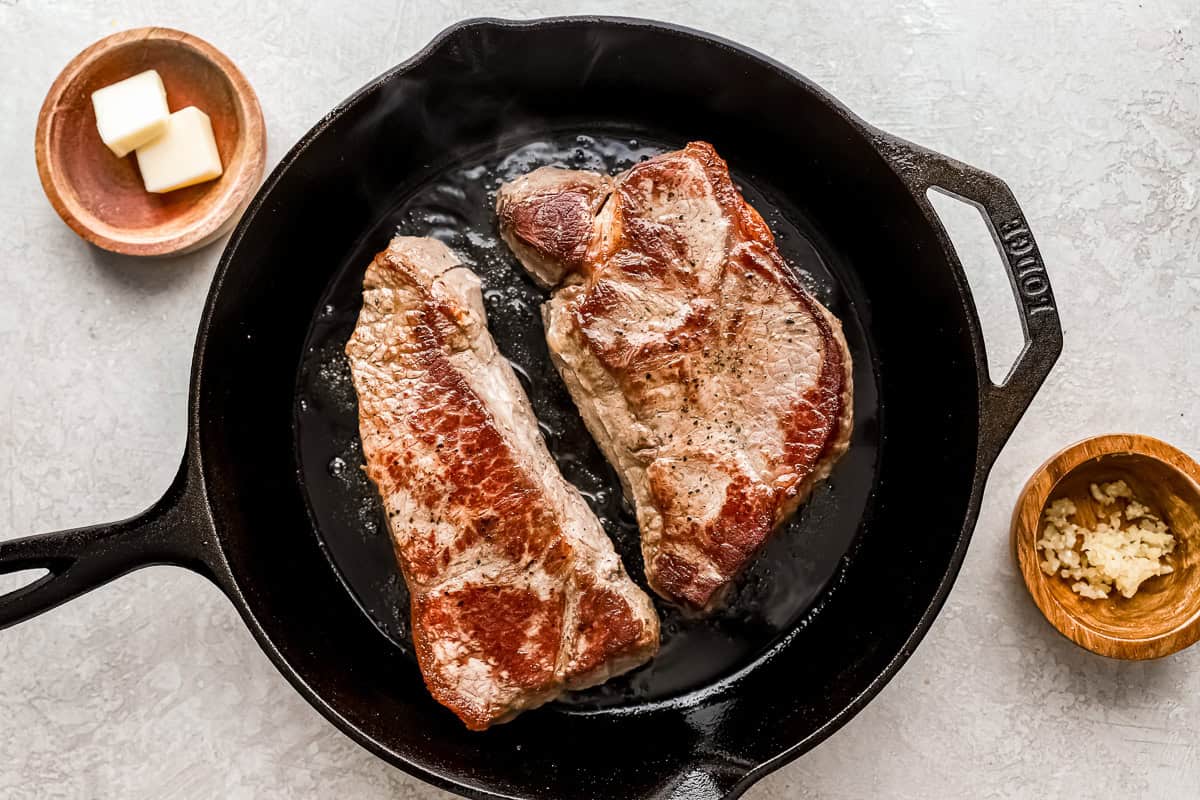
Rest the Steaks: Transfer the steaks to a cutting board, cover with a plate, and let them rest for 5-10 minutes. Top each steak with 1 tbsp of butter and 1 clove of minced garlic. Serve and enjoy!
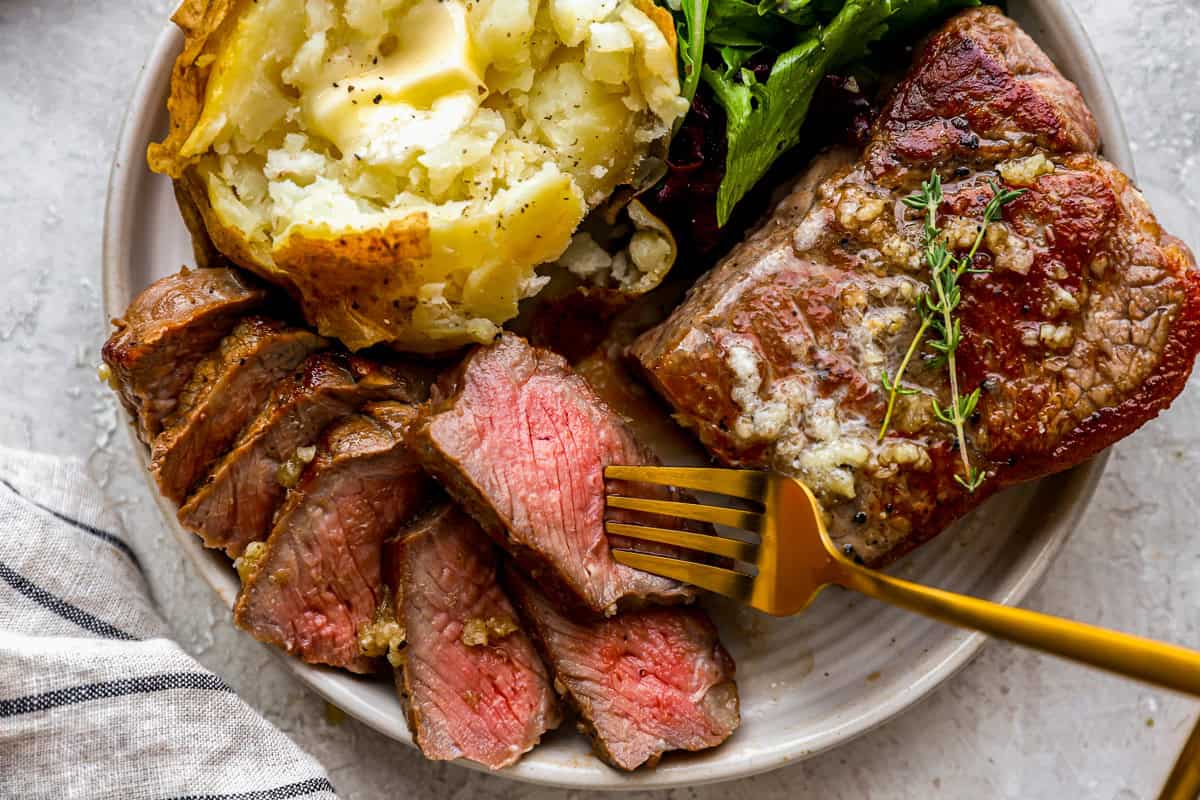
Make this Recipe Without a Sous Vide Machine
If you want a sous vide steak without buying the sous vide device, there’s another easy way to do it!
Season the steak and place it in a heavy-duty zip-top bag. Use the water displacement method to remove air from the bag.
Heat a large pot of water on the stovetop to your target sous vide temperature. Use a thermometer to monitor the temperature closely. Keep the water at a steady temperature, adjusting the heat as needed to maintain consistency. This step is crucial, and you’ll need to continuously check the water temperature to ensure it doesn’t dip below 130°F.
Submerge the bags in the water, clip them to the side of the pot to keep them from touching the bottom of the pan, and cook for 2 hours. Finish the steak by searing it in the cast iron using the same method as shown below.
How to Store and Reheat
Leftover steak can be kept in an airtight container in the refrigerator for 3-4 days. To reheat, place it on a wire rack over a baking sheet in a 250°F oven for 20 minutes. The internal temperature needs to reach 110°F.
Cooked steak can be frozen in a freezer-safe container or Ziplock bag for up to 3 months. Thaw overnight and reheat.
Serving Suggestions
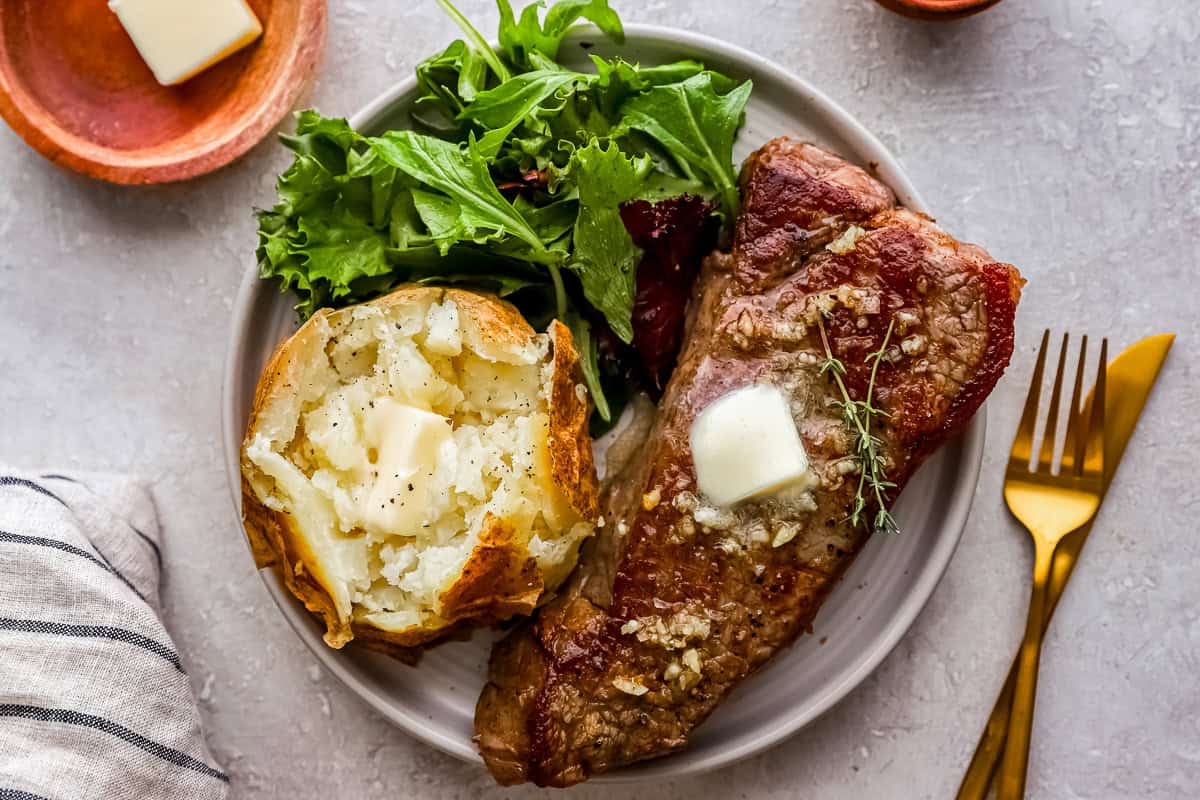
I turn this sous vide steak into the ultimate steak dinner by pairing it with a creamy mash and crispy air fryer asparagus . For a lighter meal, I opt to serve the steak over a cucumber tomato salad . Or I use it to make a steak bowl with vegetable fried rice, or served over a protein packed buddha bowl .
Similar recipes to try
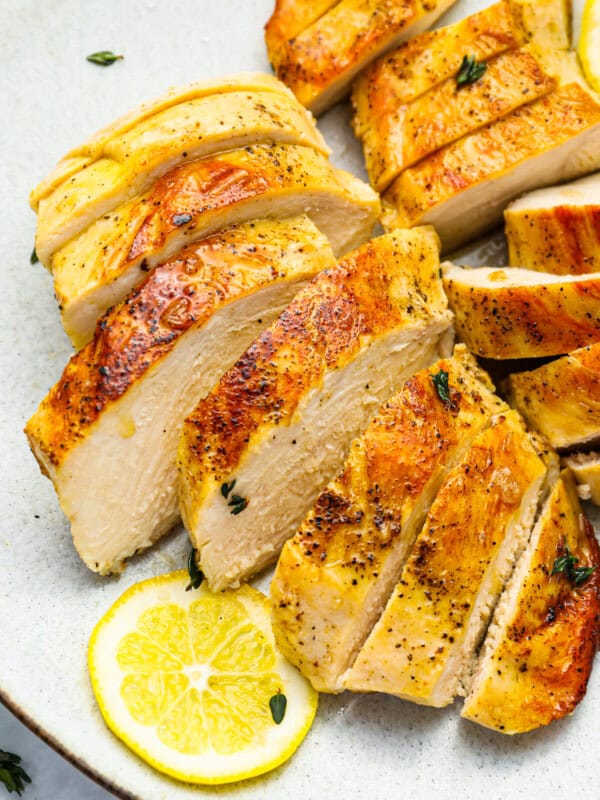
Sous Vide Chicken Breast
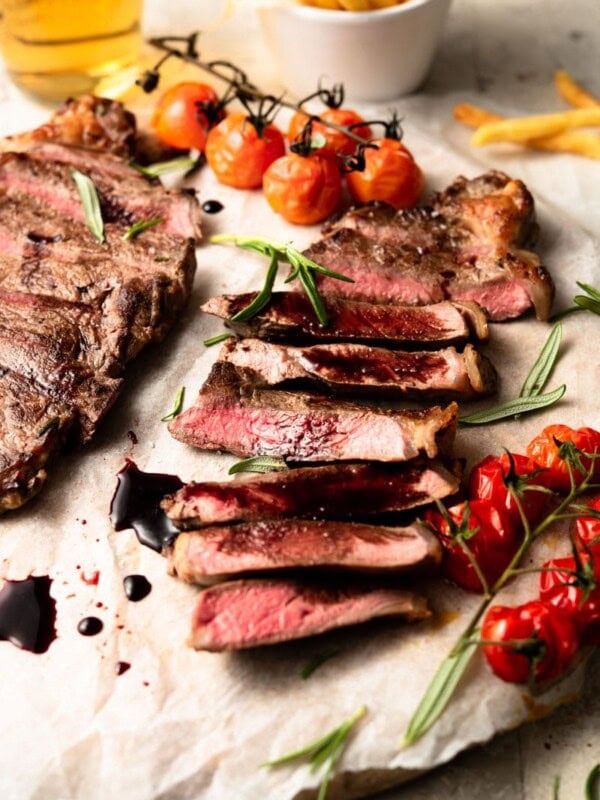
New York Strip Steak with Red Wine Balsamic Reduction
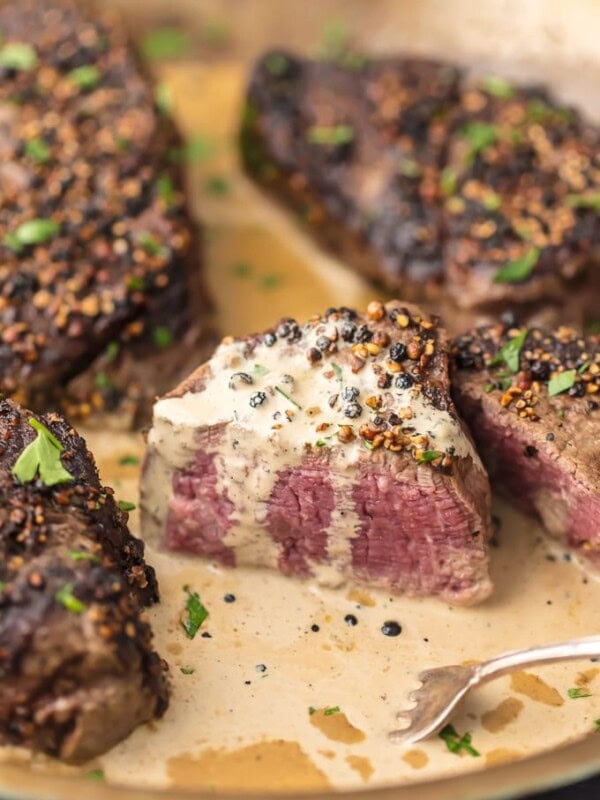
Peppercorn Steak with Brandy Cream Sauce
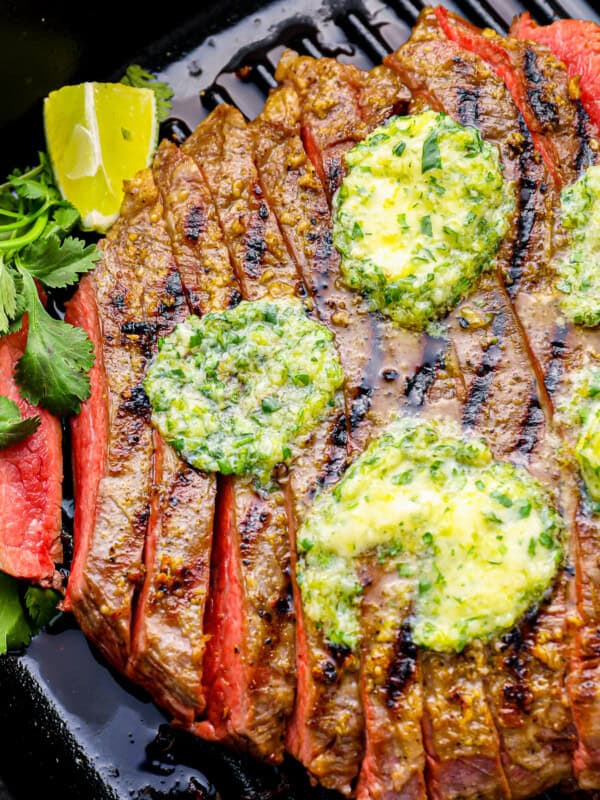
Grilled Flank Steak with Cilantro Lime Butter
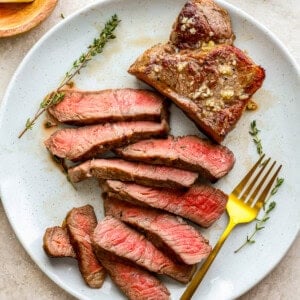
Sous Vide Steak
Equipment
- 1 Sous Vide (Immersion Circulator)
- 1 Stock Pot
- Vacuum sealer
- Food Saver Bags
Ingredients
- 2 New York strip or ribeye steaks
- Salt and pepper
- 4 sprigs of rosemary divided
- 4 sprigs of thyme divided
- 3 tablespoons avocado oil
- 2 cloves garlic minced
- 2 tablespoons butter
Instructions
- Pat the steak dry with a paper towel and bring it to room temperature. 2 New York strip or ribeye steaks
- Prep the water bath by filling a large stock pot with enough water to hit the water line on the sous vide device. Secure the sous vide cooker to the outer rim of the pot and set the device to 130 (for medium rare). See notes for cooking temperatures.
- Season the steaks liberally with salt and pepper. Place the steaks, 2 sprigs of rosemary, and 2 sprigs of thyme in the food saver bag or stasher bag. If using a food saver bag, use a vacuum sealer to remove the air from the bag. For a silicone bag, use your hands to press out the air from the bag before manually sealing. Salt and pepper, 4 sprigs of rosemary, 4 sprigs of thyme
- Place the bags into the water bath, ensuring they’re fully submerged. Let the steak cook for 2 hours.
- Remove the bag(s) from the water bath. Remove the steaks from the bag, and transfer to a cutting board or sheet pan. Pat them dry again with a paper towel.
- Heat a cast iron skillet on the stove over medium high heat. Add in the avocado oil. When the skillet is very hot, place the steaks in the pan, and sear them for 1 minute per side to create a charred exterior. 3 tablespoons avocado oil
- Transfer the steak to a plate or cutting board.
- Top each steak with 1 tablespoon of butter and a sprinkle of minced garlic. 2 tablespoons butter, 2 cloves garlic
Video
Notes
- If you don’t have a vacuum sealer, that’s okay! You can remove air from the bag by using the water displacement method: submerge the bag in water until the air is squeezed out, then seal it.
- Properly heat the cast iron. Start by placing the cast iron on a stovetop burner and setting the heat to medium-low. Allow the skillet to warm up gradually, as cast iron heats slowly but retains heat well. This slow heating helps prevent hot spots and ensures even cooking. After 5-10 minutes, depending on your stovetop, test the skillet’s heat by adding a few drops of water. If they sizzle and evaporate immediately, the skillet is ready.
Nutrition

By Becky Hardin
Published Jul 12, 2017
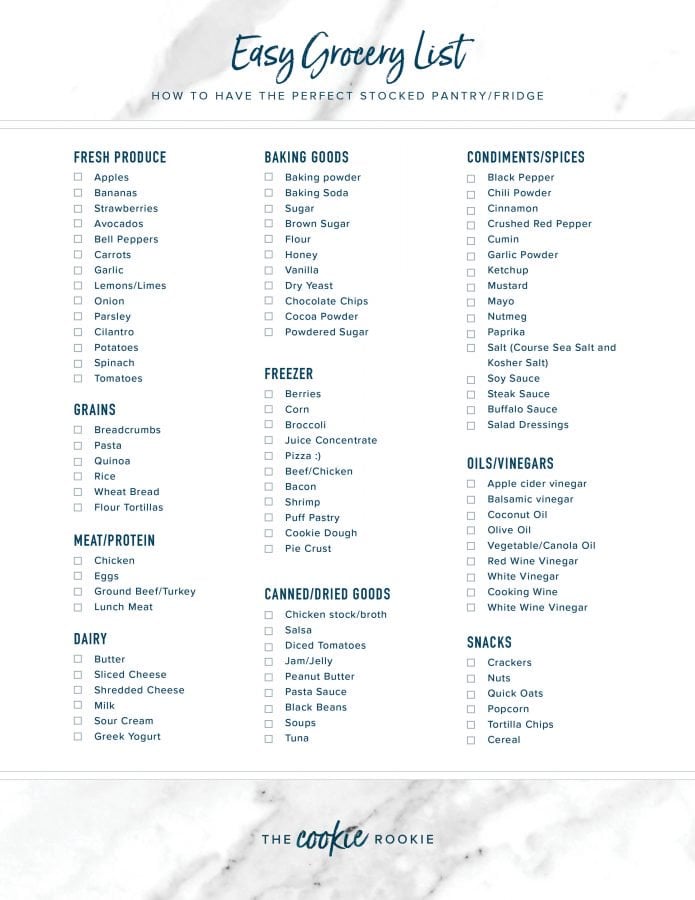
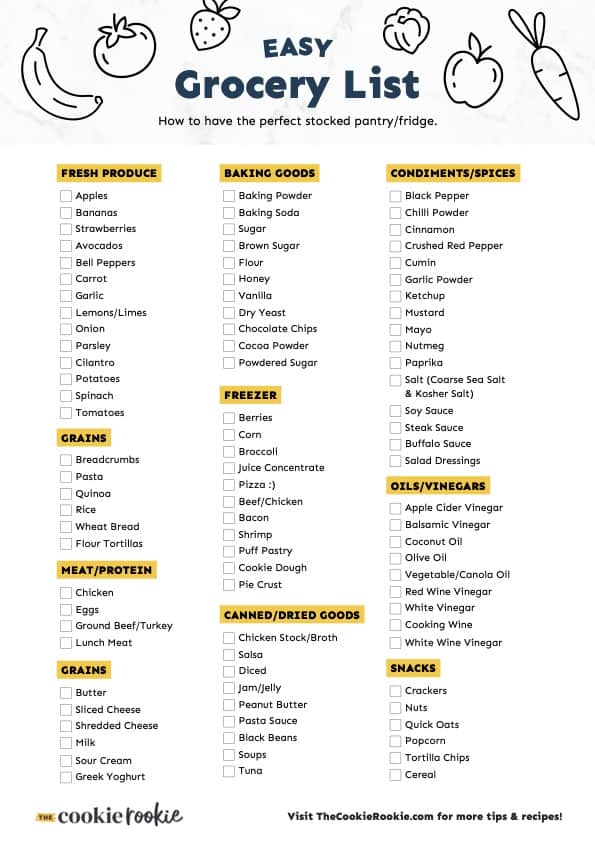
This Essential Grocery List is an absolute life saver for my family on the busy weeks. When I started this journey to learn how to cook, I quickly realized that the first step in cooking is having staple ingredients on hand. I want to avoid having to run out to the grocery store every single time I prepare a new recipe. Having a well-stocked pantry has made my life in the kitchen so much simpler, because when it’s time to cook, I have what I need.
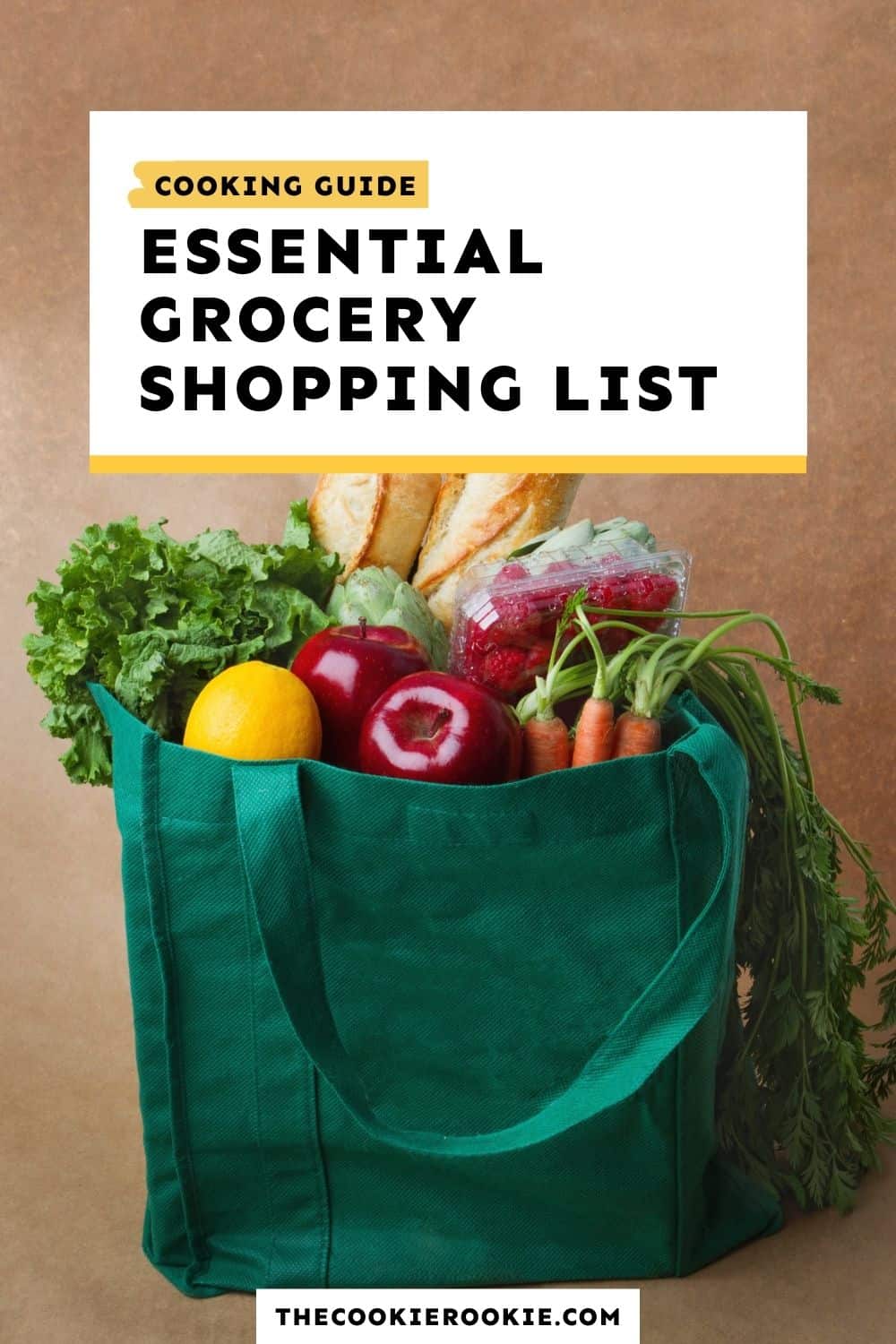
Essential Grocery List
It’s so helpful to have a basic grocery list to help me remember which foods to buy at the store. This food shopping list is my go-to!
It’s better to stock up on things like grains, seasonings and spices, baking essentials, oils, condiments, canned and frozen foods, etc. so I can just grab them when I need them. These things have a long shelf life , so I keep them in my kitchen for convenience.
However, I do have to go to the supermarket sometimes, and there’s a way to make that trip easy and hassle-free: I keep a grocery list! If I go in blindly, I’ll leave with things I don’t need, and nothing that actually helps me prepare a good meal.
In the list below, I’ve compiled everything I always have on my stock-up grocery list.
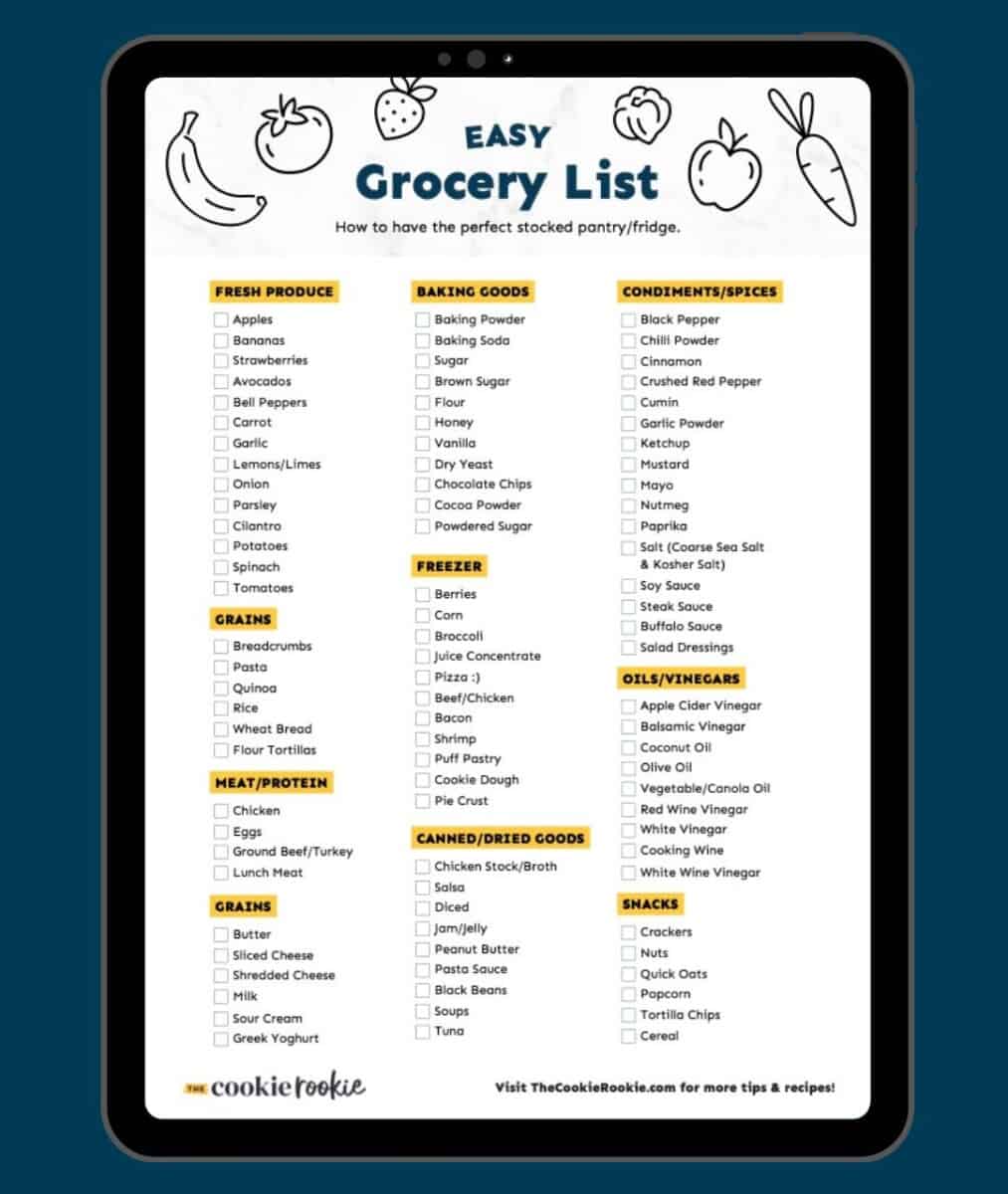
I’ve got you covered! I created an easy grocery list filled with all of the essentials. Plus there’s a free printable version that you can take with you to the grocery store. It has everything you need to stock your pantry, your freezer, and your refrigerator.
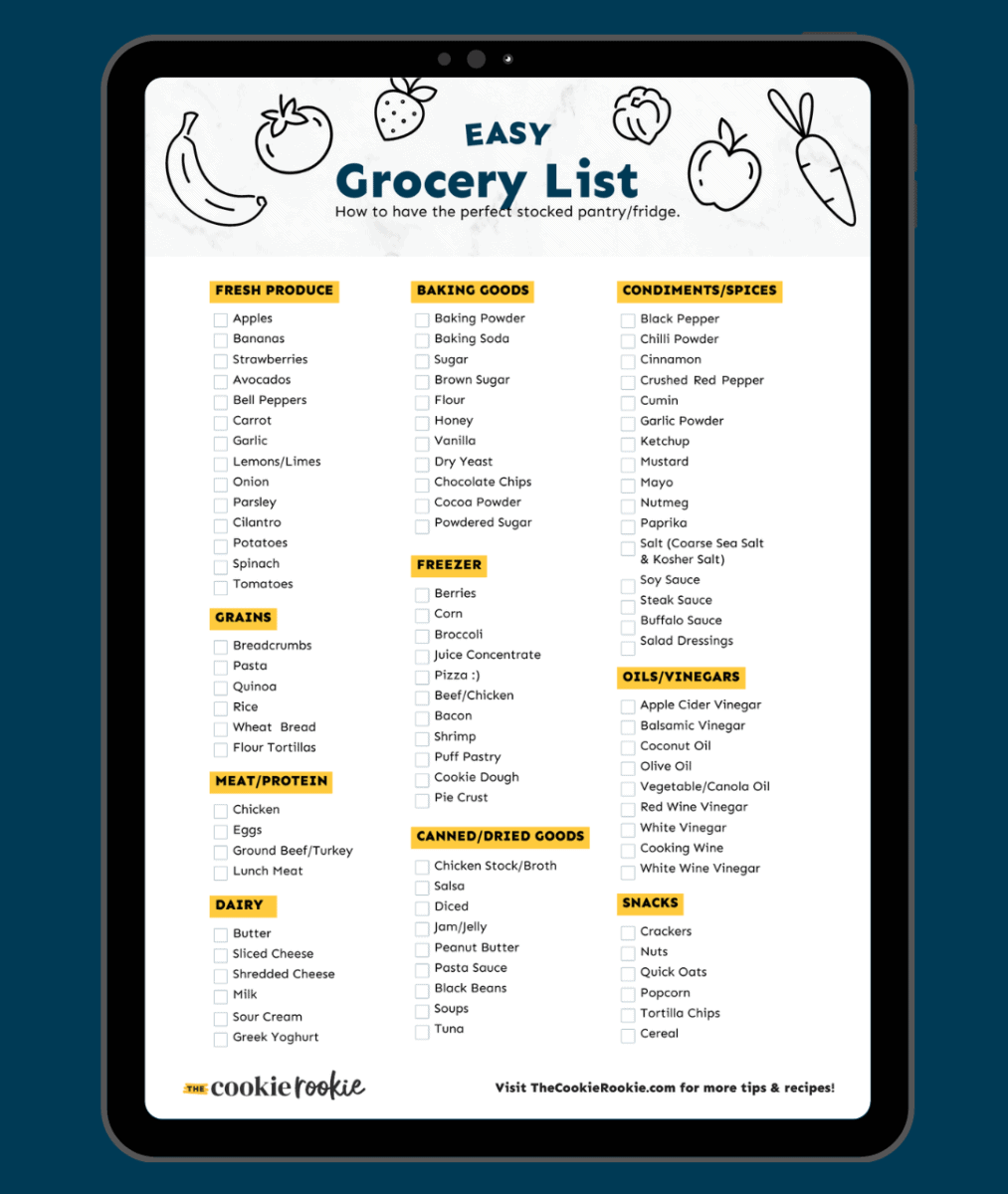
Click to get my Free Printable Grocery List
What to Buy at the Grocery Store
This is the perfect grocery list filled with all the basics and essentials. It should help get you going if you’re new to cooking, or if you’re just left staring helplessly at an empty pantry and don’t know how to fill it.
When I first started cooking, things could seem overwhelming. I quickly realized that they more prepared I could be, the more confident I felt. If you already have the basics in your kitchen, then you can shop stress-free.
So print out our easy grocery list, stock up your pantry and fridge, and you’ll be cooking in no time!
Click to get my Free Printable Grocery List for the perfectly stocked pantry and freezer!
Fresh Produce
- Apples
- Bananas
- Strawberries
- Avocados
- Bell Peppers
- Carrots
- Broccoli
- Garlic
- Lemons/Limes
- Onion
- Parsley
- Cilantro
- Basil
- Potatoes
- Spinach
- Tomatoes
GRAINS
- Breadcrumbs
- Pasta
- Quinoa
- Rice
- Sandwich Bread
- Tortillas
MEAT/PROTEIN
- Chicken
- Eggs
- Ground Beef
- Sliced Turkey
- Lunch Meat
DAIRY
- Butter
- Sliced Cheese
- Shredded Cheese
- Milk
- Sour Cream
- Greek Yogurt
BAKING GOODS
- Baking powder
- Baking Soda
- Granulated Sugar
- Brown Sugar
- Flour
- Honey
- Vanilla Extract
- Dry Yeast
- Chocolate Chips
- Cocoa Powder
- Powdered Sugar
FREEZER
- Fruit and Berries
- Frozen Veggies (Corn, Peas, Broccoli, etc)
- Juice Concentrate
- Pizza or Other Convenience Meals
- Pie Crust
- Cookie Dough
CANNED/DRIED GOODS
- Chicken stock/broth
- Salsa
- Diced Tomatoes
- Jam/Jelly
- Peanut Butter
- Pasta Sauce
- Beans (Black Beans, Chickpeas, Baked Beans, etc)
- Soups
- Tuna
- Green Chiles
- Canned Veggies
- Coffee or Tea
Get more details on the best non-perishable and pantry foods
CONDIMENTS/SPICES
- Black Pepper
- Chili Powder
- Cinnamon
- Crushed Red Pepper
- Cumin
- Garlic Powder
- Ketchup
- Mustard
- Mayo
- Nutmeg
- Paprika
- Salt (Course Sea Salt and Kosher Salt)
- Soy Sauce
- Steak Sauce
- Hot Sauce/ Buffalo Sauce
- Salad Dressings
OILS/VINEGARS
- Apple cider vinegar
- Balsamic vinegar
- Coconut Oil
- Olive Oil
- Vegetable/Canola Oil
- Red Wine Vinegar
- White Vinegar
- Cooking Wine
- White Wine Vinegar
SNACKS
- Crackers
- Nuts
- Quick Oats
- Popcorn
- Tortilla Chips
- Cereal
Click to get my Free Printable Grocery List for the perfectly stocked pantry and freezer!
Click ☝🏻 for my FREE Grocery List Printable!
I hope this essential grocery list can help you buy what you need and make your home cooking so much easier!
Stock Your Kitchen
Find more ideas for your grocery list, stock up your kitchen, and print more cooking guides and charts to keep handy!
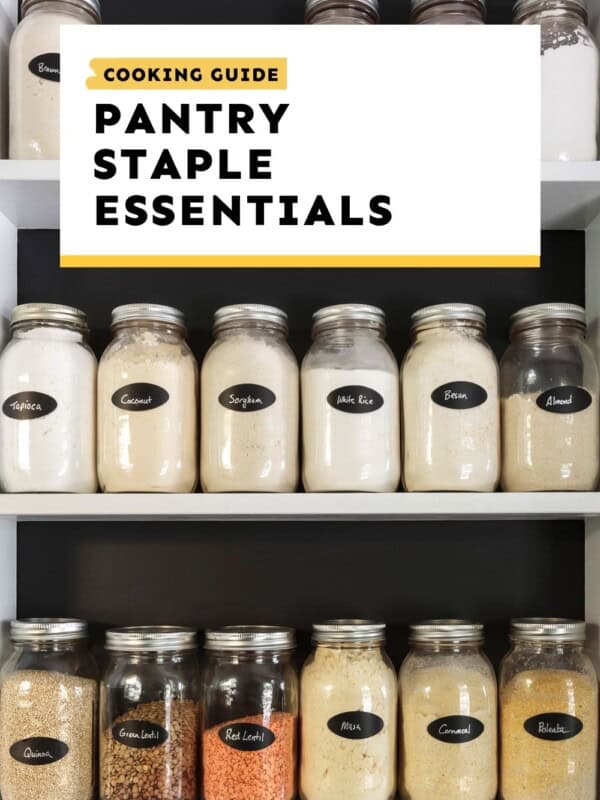
Non-Perishable Foods to Stock Up On
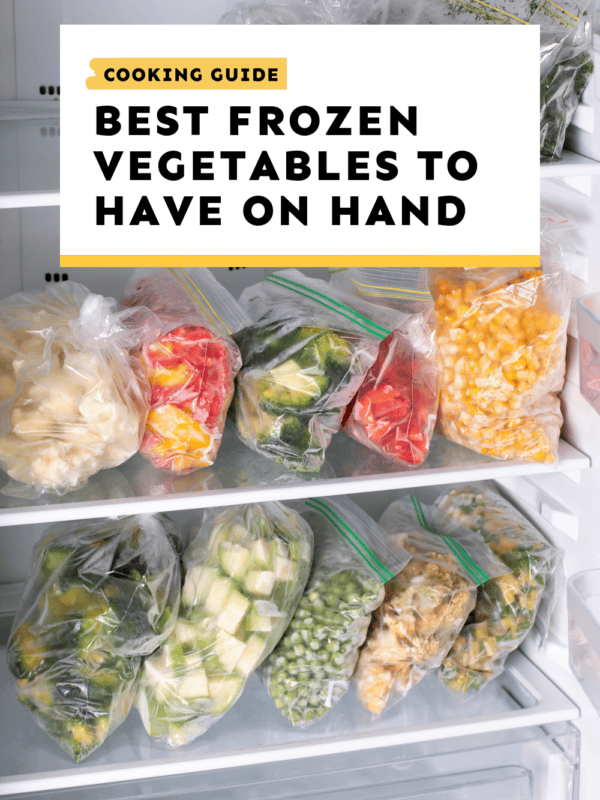
Frozen Vegetables to Stock Up On (and Recipes to Make)
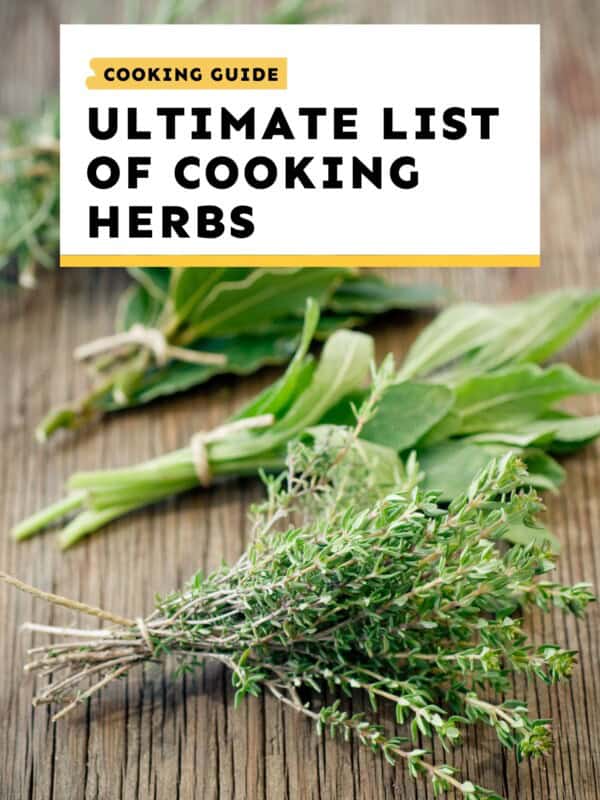
Ultimate List of Cooking Herbs for Your Kitchen
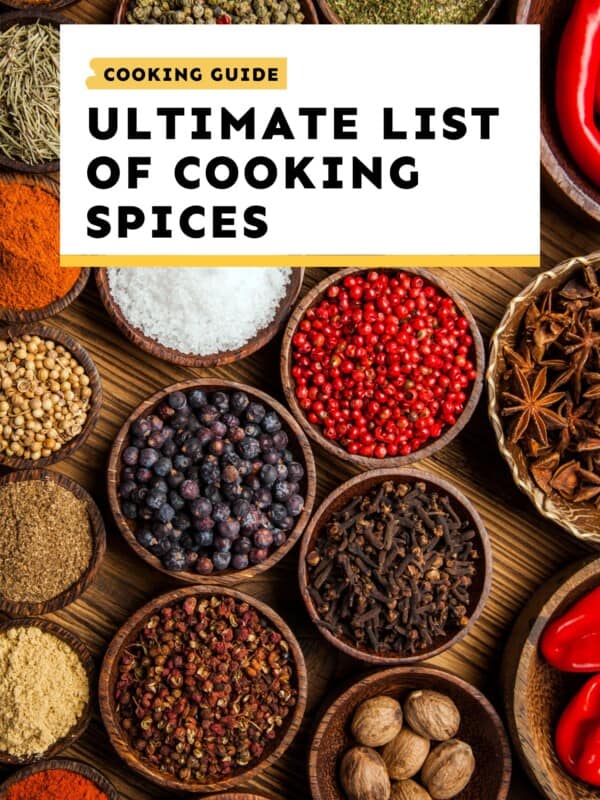
Ultimate List of Cooking Spices for Your Kitchen
Cooking Oil 101: Types of Cooking Oils to Use
26 Types of Pasta and When to Use Them
What Fruits and Vegetables are in Season?
Meat Temperature Chart (Free Printable)
How to Meal Prep (Guide for Beginners)
Basic Cooking Measurements & Kitchen Conversion Chart